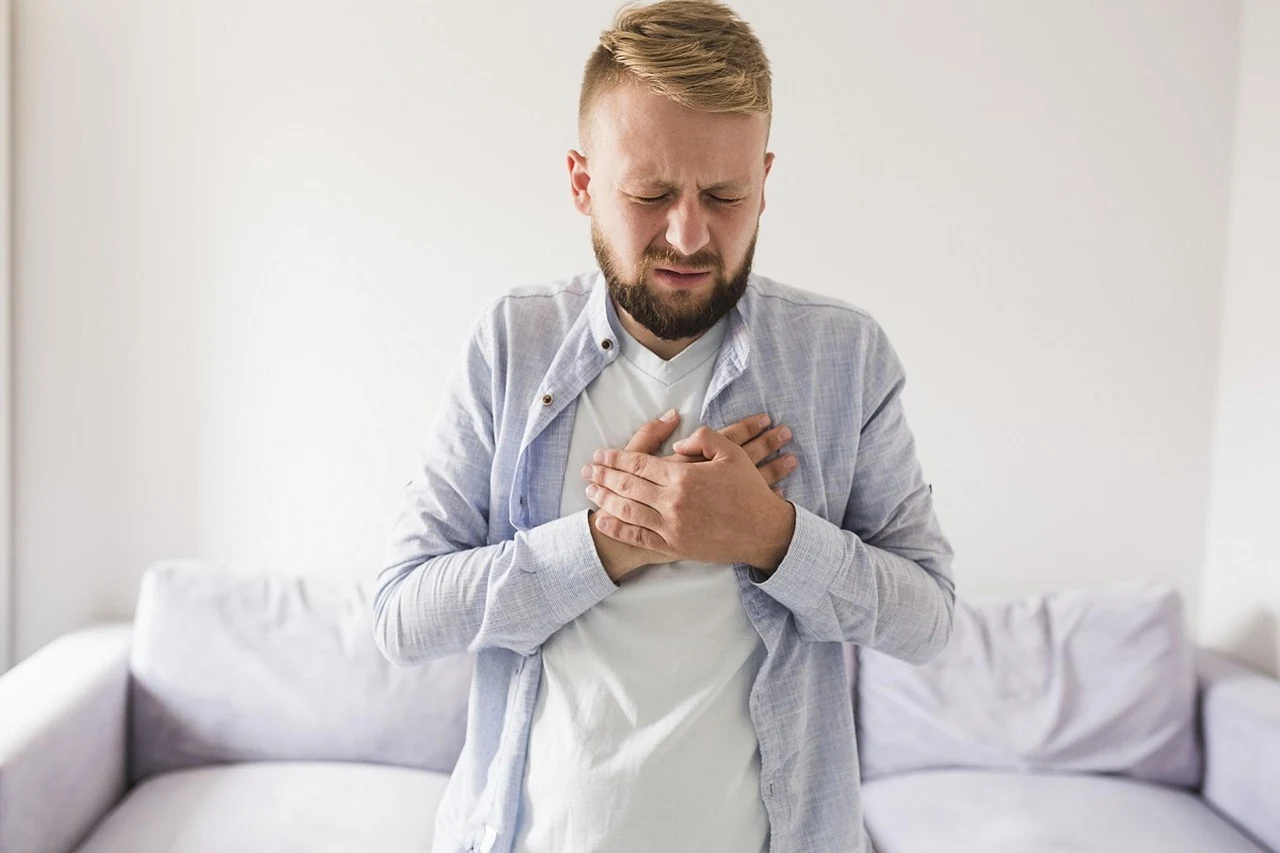

A heart attack occurs when blood stops reaching the heart muscle. The condition is life-threatening and requires emergency treatment in a hospital. We explain what it looks like — from classic chest pain to subtle manifestations.
What happens in the vessel
Myocardial infarction is the extreme degree of ischemic heart disease: ischemic necrosis of a myocardial area due to absolute or relative insufficiency of blood supply. The underlying disease is atherosclerosis: a plaque narrows the lumen of a coronary artery. Osler described it as follows: blockage of a vessel by a thrombus or embolus leads to necrosis, and thrombosis, as Hektoen wrote, occurs much more often than embolism. Types of infarction vary: type 1 — spontaneous, due to plaque erosion or rupture; type 2 — secondary, when oxygen is insufficient for other reasons — spasm, embolism, anemia, arrhythmia.
Infarction is not the same as cardiac arrest: in cardiac arrest, the heart suddenly stops beating, the person loses consciousness, and the assistance is different. Each year in the USA, 805,000 acute infarctions are registered, 605,000 of them are first, and another 200,000 are recurrent. Back in 1878, Adam Hammer reported the first premortem diagnosis of coronary thrombosis, which was confirmed at autopsy. The first detailed description of heart attacks that did not end in death belongs to Ukrainian physicians Mykola Strazhesko and Vasyl Obraztsov — 1910.
Classic signs
The leading symptom is a severe attack of unbearable squeezing, bursting pain behind the sternum with fear of death. The pain is prolonged and radiates to the left half of the chest and left arm. It is accompanied by:
- pain in the arm, neck, or jaw;
- shortness of breath;
- nausea or vomiting;
- cold sweat and pale, bluish, or gray skin — on dark skin, this is easier to see on the palms.
Externally, the person is agitated or inhibited, the pulse quickens or slows, blood pressure falls or rises, temperature rises to 38.
When the attack doesn't look like a movie
It's not always squeezing: a heart attack can resemble indigestion — with heartburn, a feeling of fullness and bloating in the chest.
Why minutes count
Infarction has stages: the most acute — up to 2 hours from onset, acute — up to 10 days, subacute — from the 10th day to 2 months, then rehabilitation. Mostly, the cause of early mortality in acute infarction is ventricular arrhythmias. The diagnosis is confirmed by ECG and blood tests, then the doctor may prescribe echocardiography (checking whether the heart is damaged) and coronary angiography (finding the site where blood flow is blocked). Ischemic heart disease in Ukraine occupies leading positions among causes of death.
Why you shouldn't drive yourself
Do not get behind the wheel and do not drive to the hospital yourself: the ambulance dispatcher will tell you what to do before the team arrives.
Call 103 or 112 immediately if there is squeezing or pressure in the chest that radiates to the arm, neck, or jaw; if breathing is so difficult that you cannot say a word; if the lips or skin are pale, blue, or gray; if the person has fainted and does not respond normally.
Risk factors
Risk factors include smoking, high blood pressure, high cholesterol, diabetes, obesity (body mass index over 30), and ischemic heart disease in relatives. Diabetes is the most important risk factor for ischemic heart disease. Age becomes a risk factor after 45 in men and after 55 in women; the risk is sharper if a brother, sister, father, or mother had ischemic heart disease before 55 in men or before 65 in women. Hyperhomocysteinemia — a high level of homocysteine, a toxic amino acid that occurs with a deficiency of vitamins B2, B6, B12, and folic acid. Prolonged stress and large amounts of alcohol add to the risk. Smoking harms even passively: in people with ischemic heart disease, attacks occur with less exertion. A significant part of these factors can be balanced by lifestyle.
The material is for reference — it does not replace a doctor's consultation and does not diagnose you.
Sources
Update history
This content is for reference and does not replace a doctor's consultation. Medical disclaimer