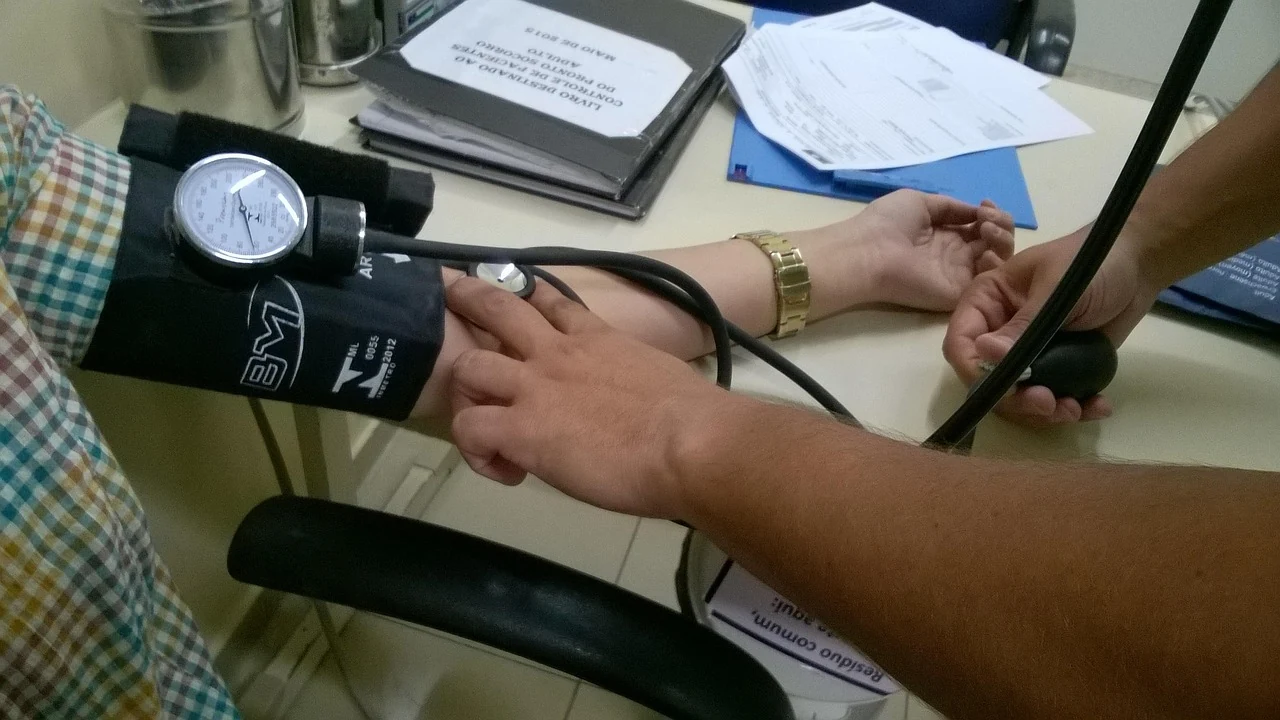

Arterial hypertension is a condition in which the pressure in the blood vessels is persistently 140/90 mmHg or higher. It is common but dangerous if left untreated, and most often it produces no noticeable symptoms. The only way to find out about it is to measure your blood pressure.
What the two numbers show
Imagine a heating system: a pump pushes water, and the pipes offer resistance. The heart is the pump, the vessels are the pipes, and the pressure is the load on the walls of the pipes. The first (systolic) number shows the pressure in the vessels at the moment the heart contracts; the second (diastolic) number shows it when the heart rests between beats. Both readings are written with a slash, for example 130/80.
Which ranges are considered normal
Normal blood pressure at rest is within the range of 100–139 mmHg systolic and 60–89 mmHg diastolic. The World Health Organization defines hypertension when, on measurements taken on two different days, the systolic pressure is ≥140 mmHg on both days and/or the diastolic pressure is ≥90 mmHg. A reading of 140/90 and above when measured by a healthcare professional, and 135/85 and above at home, is considered elevated. About 90–95% of cases are primary hypertension with no obvious cause, and 5–10% are secondary, linked to diseases of the kidneys, blood vessels, or endocrine system.
| Measurement setting | Threshold for elevated pressure |
|---|---|
| In a healthcare facility | 140/90 mmHg and above |
| At home | 135/85 mmHg and above |
Why hypertension is "silent"
Most people with elevated pressure feel no symptoms at all. Rarely, very high pressure can cause a headache, blurred vision, or chest pain. According to WHO data, about 44% of adults with hypertension (approximately 600 million) are unaware of their condition. The absence of sensations does not mean the absence of strain: elevated pressure presses on the vessels, heart, brain, kidneys, and eyes for years. That is why measurement, not how you feel, is the way to detect the disease.
Risk factors
Factors that increase the likelihood of hypertension include:
- age — the risk grows with the years, especially after 65;
- heredity — close relatives with elevated pressure;
- overweight or obesity and low physical activity;
- a diet with excess salt, saturated and trans fats, and few fruits and vegetables;
- excessive alcohol consumption, smoking, prolonged stress.
Heredity and age remain unchangeable, but diet, weight, and activity can be adjusted — and this affects blood pressure.
Consequences for the heart, brain, and kidneys
Excess pressure stiffens the arteries and reduces the flow of blood and oxygen to the heart. This can lead to chest pain (angina), heart attack, heart failure, and heart rhythm disorders. Hypertension can also rupture or block the arteries that supply the brain, causing a stroke, and damage the kidneys all the way to kidney failure. The list of risks includes heart disease, vascular dementia, and kidney disease.
How to measure at home and when to see a doctor
Measuring blood pressure is quick and painless: a cuff is placed on the upper arm and inflated with air. At home, the threshold for elevated pressure is lower — 135/85 mmHg. If the reading is elevated, the doctor may ask you to measure your pressure at home for several days, repeat the measurement after a few days or weeks, or wear a portable monitor for 24 hours. Home measurements do not replace a doctor's assessment, which determines risk and accompanying conditions. Blood pressure can be measured by your family doctor.
Call an ambulance immediately (103 or 112) if, with very high pressure (usually 180/120 or higher), you experience a severe headache, chest pain, shortness of breath, dizziness, nausea, worsening vision, confusion, ringing in the ears, or a nosebleed. Signs of a possible heart attack: sudden pain or pressure in the chest that does not go away, pain that radiates to the arm, neck, jaw, or back, together with sweating, nausea, or shortness of breath.
This material is for reference and does not replace a doctor's consultation.
Sources
Update history
This content is for reference and does not replace a doctor's consultation. Medical disclaimer