
Enlarged Prostate After 50: Signs, Diagnosis, When to See a Urologist
Benign prostatic hyperplasia: why the gland grows after age 50, how urination changes, how it differs from cancer, and what examinations the doctor performs.
Urology and nephrology cover the kidneys and urinary tract: cystitis, kidney infections, kidney stones, blood in the urine and an enlarged prostate after 50. We explain how these conditions show up, which tests are used and when pain needs urgent care. The content is for reference and does not replace a doctor's examination.

Benign prostatic hyperplasia: why the gland grows after age 50, how urination changes, how it differs from cancer, and what examinations the doctor performs.

Bladder inflammation is common in women — due to a shorter urethra. We explain how to distinguish it from a kidney infection and when not to wait.

Pyelonephritis is a kidney infection that often starts as cystitis. Fever, lower back pain, and nausea mean the bacteria have risen higher.

Kidney stones form from substances dissolved in urine and often cause no symptoms for a long time. Mechanism, stone types, colic symptoms, risk factors and diagnosis.
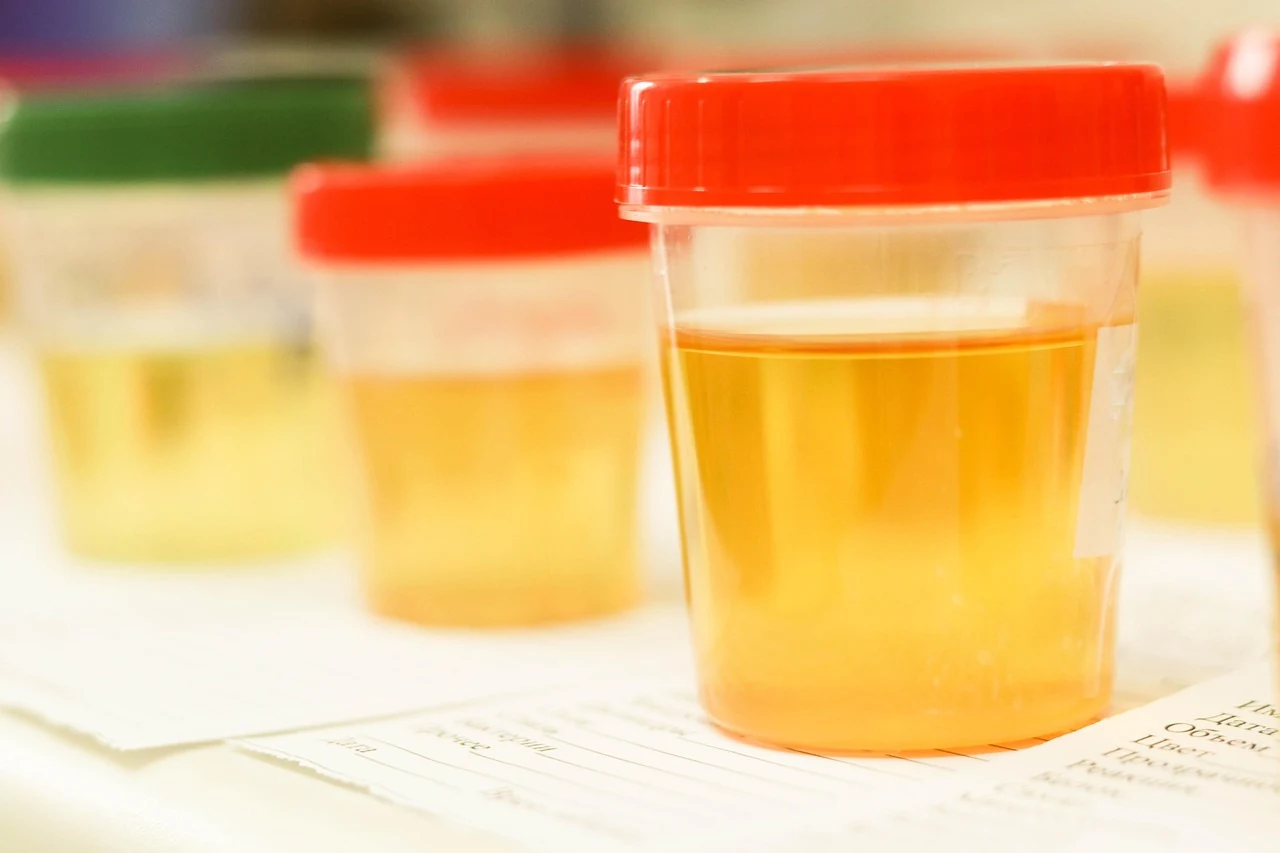
Blood in urine can be visible to the eye or seen only under a microscope. We break down the causes — from infection to tumors — and why you shouldn't wait with this.