
Liver: Why It Doesn't Hurt and What Tests Show
Liver functions, reasons for the asymptomatic course of diseases, fatty liver disease, alcohol and hepatitis, basic examinations.
 Internal Medicine
Common Cold (ARI): How It Progresses, How Long It Lasts, and When It's No Longer a Cold
A cold comes on gradually over 2–3 days and resolves within 1–2 weeks. We explain what happens day by day and when it's time to see a doctor.
 Internal Medicine
Flu: How It Differs from a Cold and Which Symptoms Are Dangerous
Flu starts abruptly and knocks you off your feet, while a cold creeps up gradually. We explain how not to confuse them, who is at risk of complications, and when to see a doctor immediately.
 Internal Medicine
Elevated Temperature in Adults: Normal Range and When to Worry
What counts as normal, why the body develops a fever, and at what readings and accompanying signs to see a doctor.
 Internal Medicine
Preventive Checkup: What to Check Even If Nothing Hurts
Why see a doctor when nothing is bothering you, which basic indicators are checked, and how to prepare for a visit to your family doctor.
 Internal Medicine
Chronic Fatigue: Ordinary Tiredness or a Signal from the Body
When fatigue passes after rest, and when it drags on for months and requires examination — we break it down calmly, without panic.
 Cardiology
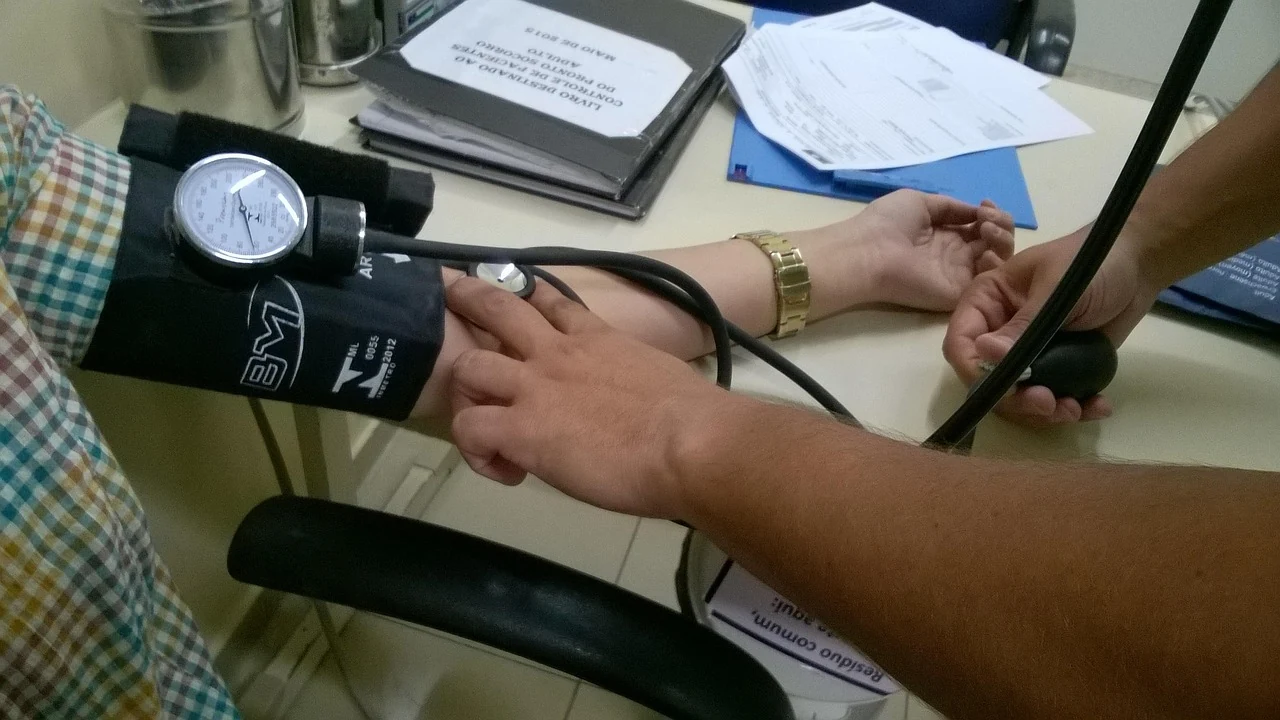
Arterial Hypertension: What the Blood Pressure Numbers Mean and Why It Is "Silent"
The two numbers on a blood pressure monitor show the work of the heart as a pump and the resistance of the blood vessels. We break down the ranges, risk factors, and why hypertension causes no pain for years.
 Neurology
Dizziness: Why the World "Spins" and When It's Not Just Fatigue
Dizziness is not a single symptom but several different conditions with different mechanisms. We explain how vertigo differs from weakness and when it's time to see a doctor.
 Gastroenterology
Gastroscopy: how it is performed, preparation and results
Reference information about EGD: indications, preparation, how the procedure is performed, sedation or local anaesthesia, what happens afterwards and when to expect results.
Liver functions, reasons for the asymptomatic course of diseases, fatty liver disease, alcohol and hepatitis, basic examinations.
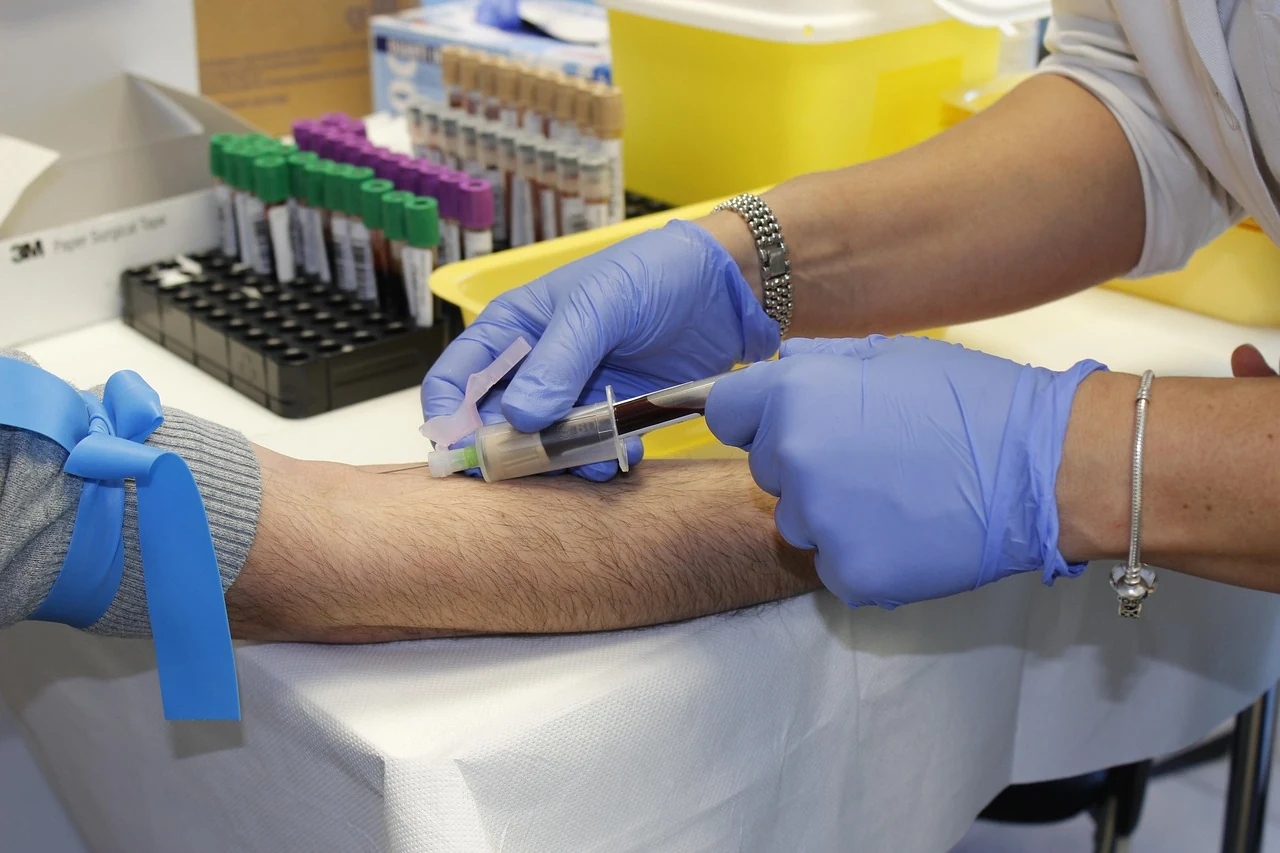
LDL, HDL, triglycerides, and total cholesterol: what each test value means and when a result needs a doctor's attention.

Migraine is a neurological disorder with distinct phases, triggers, and consequences. We explain how to distinguish it from tension headache and when it's time to see a doctor.

A stroke is an acute disruption of cerebral blood circulation. We explain the mechanism, the FAST test, and the signs that must not be ignored.
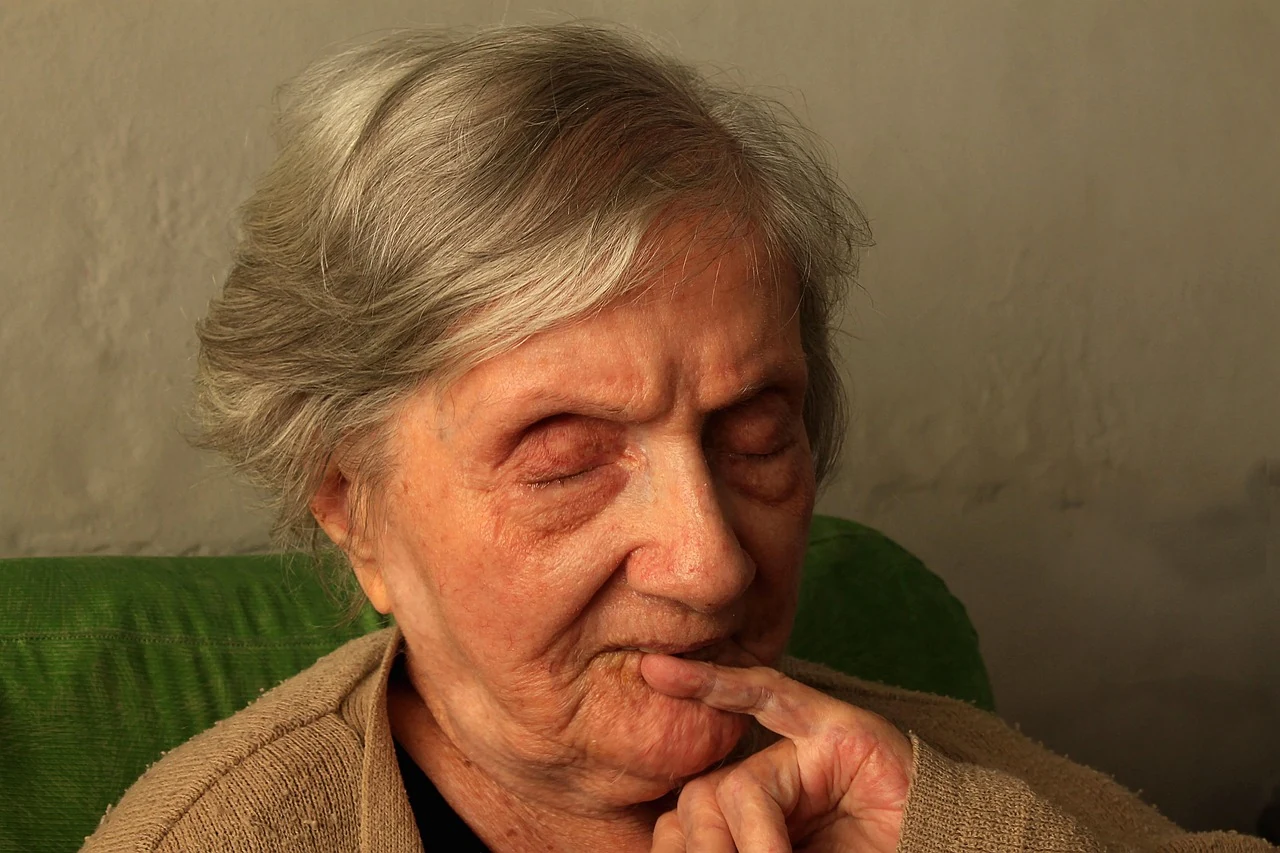
Forgetfulness comes in different forms: some such episodes are among the early signs that warrant a doctor's visit. We explain how to distinguish age-related changes from disease and what the doctor checks.

Tingling, "pins and needles", numb fingers: when is this a minor everyday thing, and when is it a reason to find out what is happening with the nerves.
Our authors are editors with years of experience in health topics. They explain, not prescribe: no treatment regimens or dosages.
Every claim is checked against Ministry of Health of Ukraine, WHO and NICE guidelines and peer-reviewed research before publication.
Claims rely on clinical guidelines and research. Sources are listed openly at the end of each article.