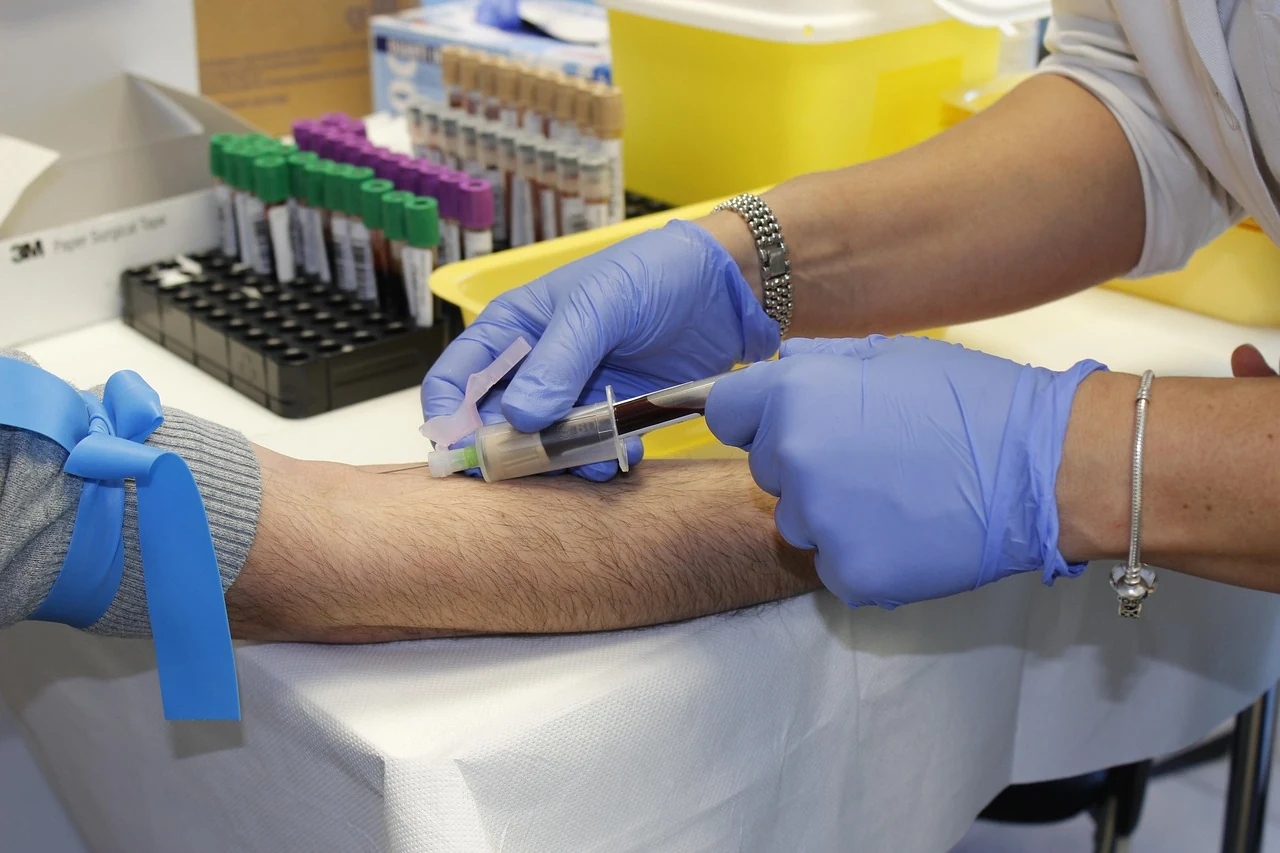

Cholesterol is a waxy, fat-like substance produced by the liver; the body needs it to synthesize hormones and absorb fats. Elevated cholesterol usually has no symptoms, and the only way to detect it is a blood test. Let's break down what a lipid panel actually shows and how to read its results without panic.
Why the body needs cholesterol
Cholesterol is found in nervous and adipose tissue and in the liver; in humans it is a precursor of steroid hormones, bile acids, and vitamin D. Every cell can synthesize it on its own, and a significant portion of cholesterol is part of cell membranes. The body produces all the cholesterol it needs itself, while dietary cholesterol is found in animal products — meat, fish, poultry, eggs, and dairy products. A man weighing about 68 kg synthesizes roughly 1 g of cholesterol per day, and the body contains only about 35 g in total, mostly in cell membranes. So it is not a "poison" but a substance without which metabolism is impossible. The problem arises not from the mere presence of cholesterol but from its excess in the blood: excess can clog vessels and makes heart problems and stroke more likely, as well as deposit on artery walls and gradually narrow their lumen.
LDL and HDL: what's the difference
Cholesterol is transported through the body as part of lipoproteins. A lipid panel (lipid profile) usually measures four values:
- LDL ("bad" cholesterol) — a high level can lead to plaque formation in the arteries and the development of heart disease or stroke;
- HDL ("good" cholesterol) — a high level reduces the risk of heart disease and stroke;
- triglycerides — a type of fat in the blood that the body uses for energy; their combination with low HDL or high LDL increases the risk of heart attack and stroke;
- total cholesterol — a combined value based on HDL, LDL, and triglycerides.
The mechanism is easy to picture through pipes and a pump: cholesterol deposits on the walls of the "pipes" as plaque, the lumen narrows over time, and blood flow to the heart and other organs weakens. Plaque accumulates on artery walls gradually. The narrowing limits blood flow to the heart, and this can cause chest pain (angina) or myocardial infarction. High cholesterol also increases the risk of stroke.
What the numbers mean
Each lipid panel value is assessed separately: total cholesterol, LDL, HDL, and triglycerides have different significance. For HDL, the target level in the source differs for men and women. Ukrainian laboratories report results in their own units, so they should be compared with the reference values indicated by the laboratory itself. These benchmarks are not a diagnosis: the doctor assesses them together with the individual's other risk factors.
What cholesterol level depends on
The risk of elevated cholesterol is higher if a person is over 50, is a man, has gone through menopause, is of South Asian or sub-Saharan African origin, and also if there are cases of elevated cholesterol in the family. Causes include fatty food, insufficient physical activity, excess weight, smoking, and alcohol. A hereditary form is distinguished separately — familial hypercholesterolemia, which manifests from a young age. Certain conditions, such as type 2 diabetes and obesity, also increase the risk. Some factors (age, heredity) cannot be changed, while others are under a person's control.
Who should get tested and how often
The only way to find out about elevated cholesterol is to check it at a medical facility. Discuss with your doctor how often you specifically need screening: the interval depends on age, heredity, and other risk factors.
When a result is a reason to see a doctor
Elevated cholesterol itself does not hurt and does not manifest with symptoms, so the reason to see a doctor is not how you feel but the test result. The doctor assesses lipid panel values together with medical history, lifestyle, and family history and, if needed, determines the category of further examinations.
Call an ambulance immediately (103 or 112) if you experience pain or pressure in the chest, sudden shortness of breath, facial drooping, weakness or numbness of an arm or leg on one side, or speech impairment — these may be signs of a heart attack or stroke.
This material is for reference purposes and does not replace a doctor's consultation.
Sources
Update history
This content is for reference and does not replace a doctor's consultation. Medical disclaimer