
Obesity: what BMI means, what its limits are, and which risks are proven
BMI is arithmetic based on height and weight that does not distinguish muscle from fat and has lower thresholds for some ethnic groups. What it shows and what it doesn't.
Nutrition and dietetics cover diet and health: balanced eating without diets, sugar in food, vitamin D, iron-deficiency anemia and obesity. We explain what WHO guidance is based on and which tests reveal deficiencies. The content is for reference and does not replace a doctor's examination.
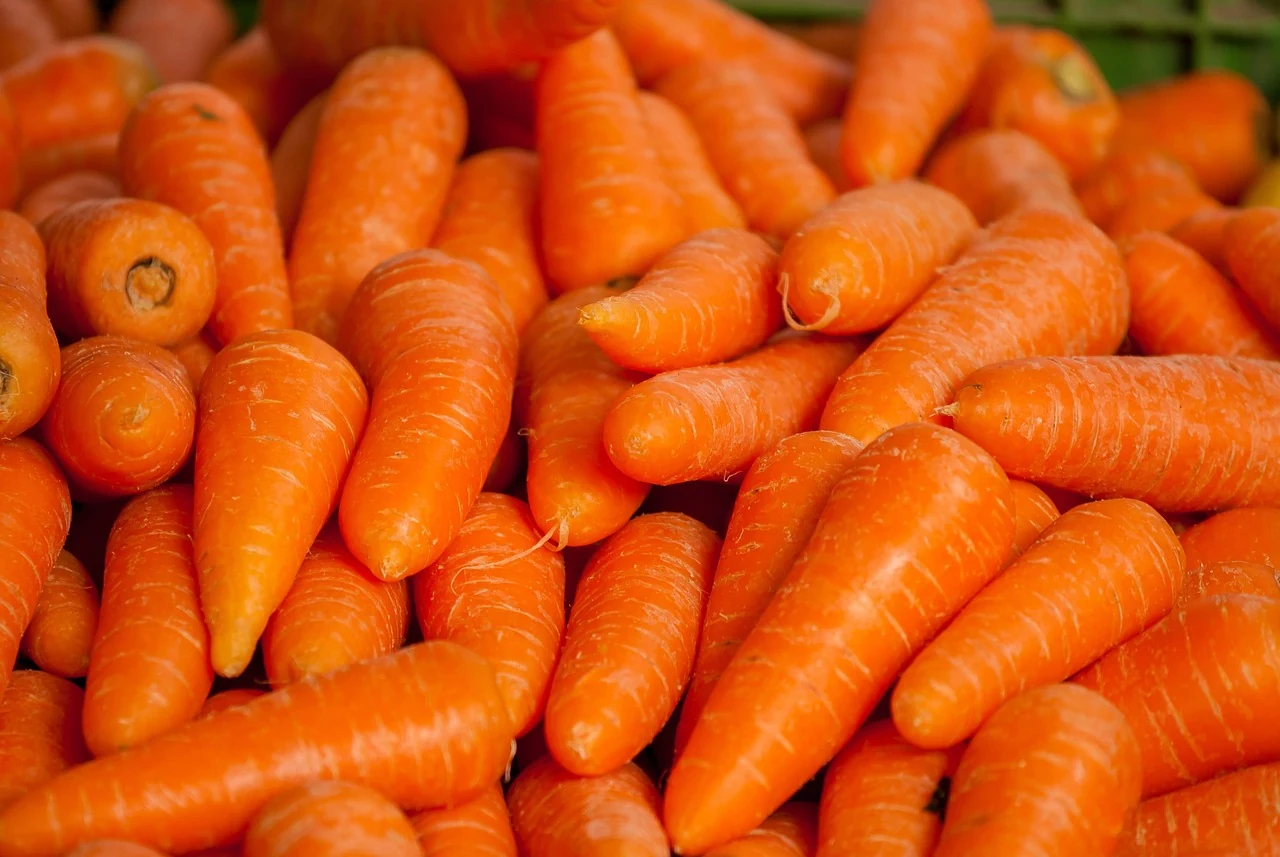
BMI is arithmetic based on height and weight that does not distinguish muscle from fat and has lower thresholds for some ethnic groups. What it shows and what it doesn't.

Fatigue, pallor, brittle nails — a common cause lies not in character but in iron. What tests show, where the deficiency comes from, and how to get iron from ordinary food.
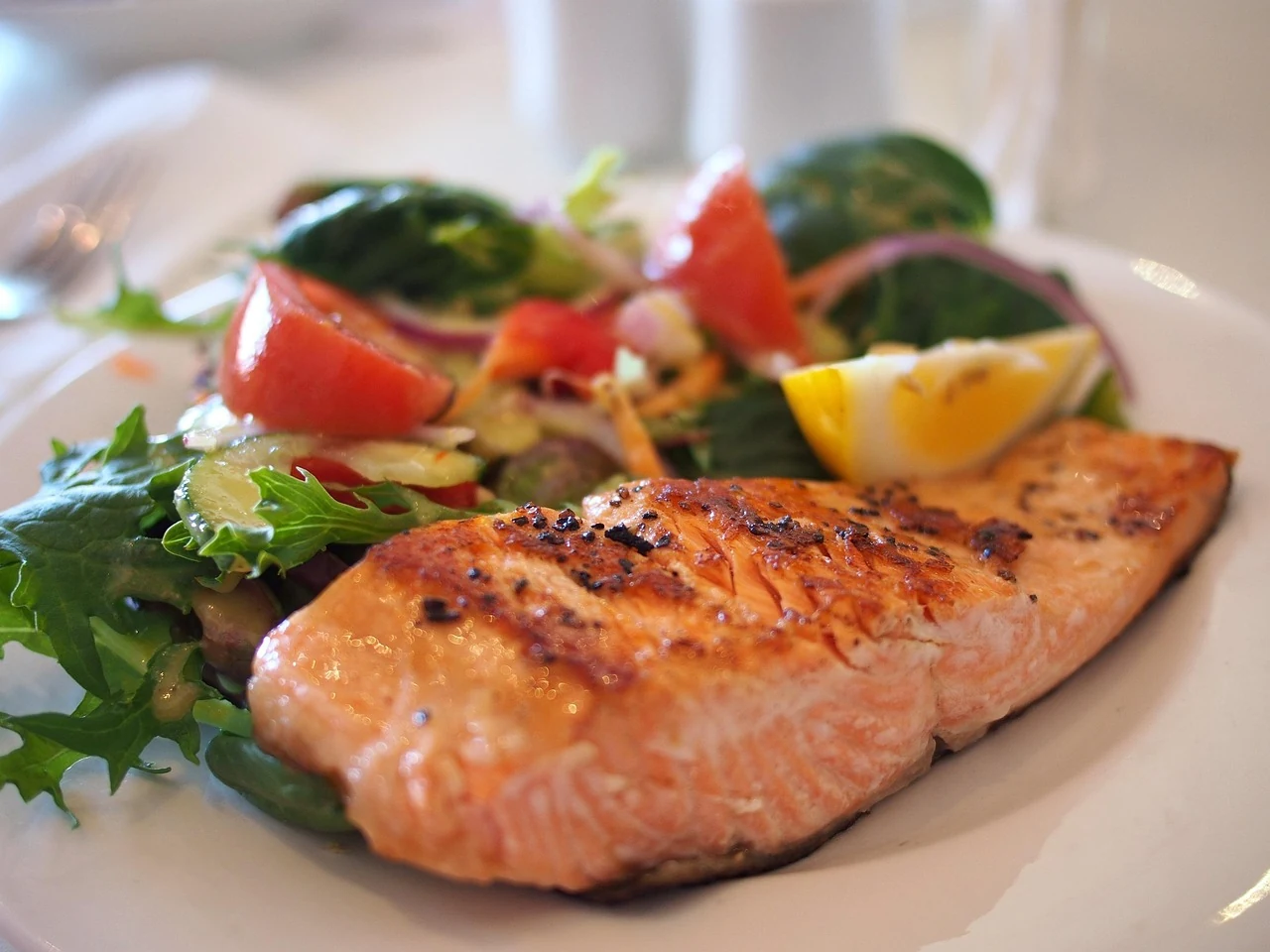
What WHO means by balanced nutrition, what the plate looks like, how much sugar, salt and fat is allowed, and how this looks in an ordinary kitchen.
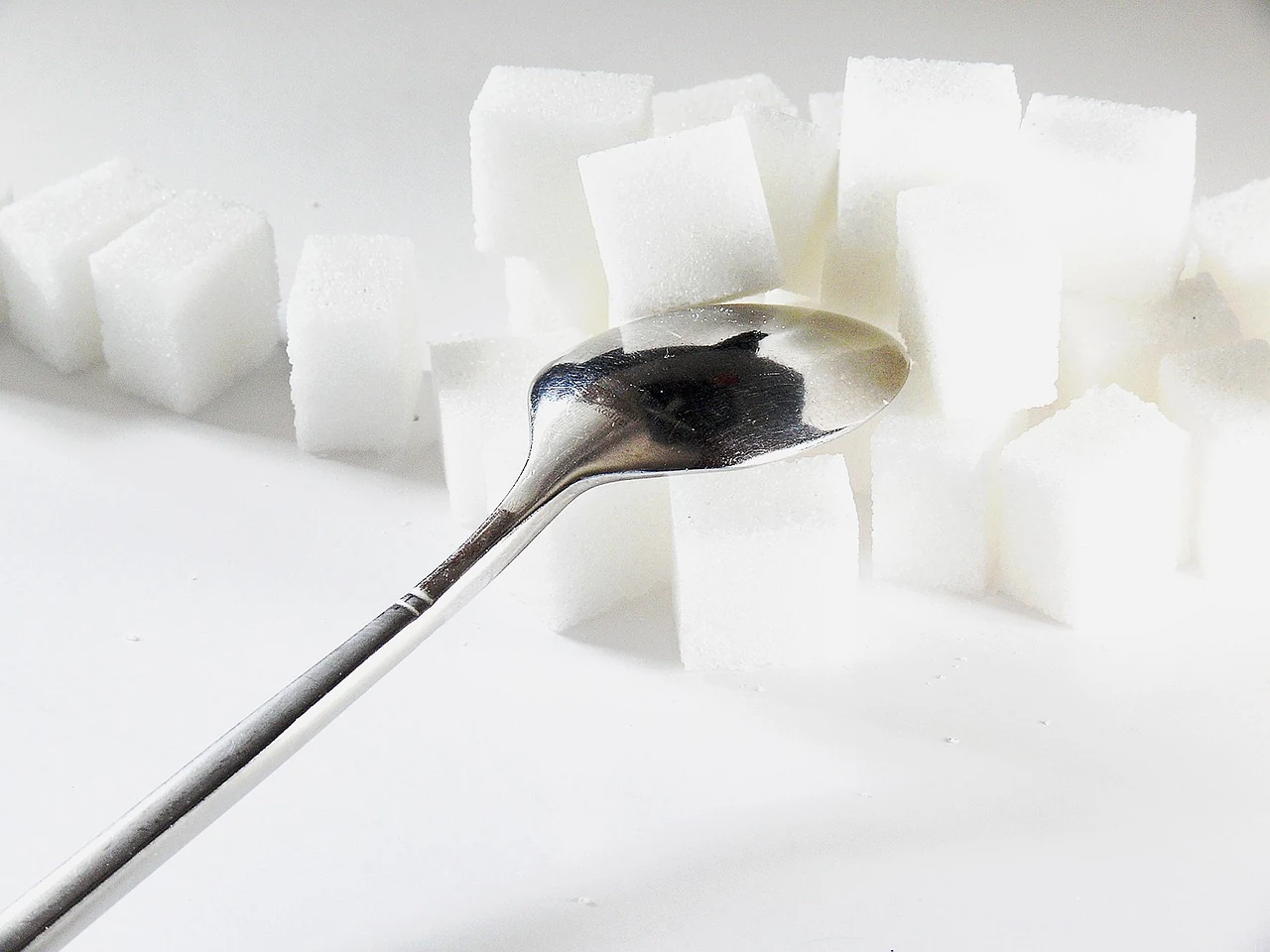
What free sugars are, where the 50 g and 30 g per day figures come from, how to read 'of which sugars' on a label, and why honey and juice count the same as sugar in sweets.

Sun, oily fish, and a 25(OH)D test: what is known about the sources of vitamin D, who lacks it, and which marker is used to assess deficiency.