
Bronchial Asthma: Signs, Triggers, and How It Is Confirmed
What narrows the bronchi in asthma, why symptoms worsen at night, which triggers set them off, and how the diagnosis is confirmed with spirometry and peak flow measurement.
Pulmonology covers the lungs and breathing: cough, shortness of breath, asthma, pneumonia and the effects of smoking. We explain how these conditions differ, how they are diagnosed and when trouble breathing becomes an emergency. The content is for reference and does not replace a doctor's examination.
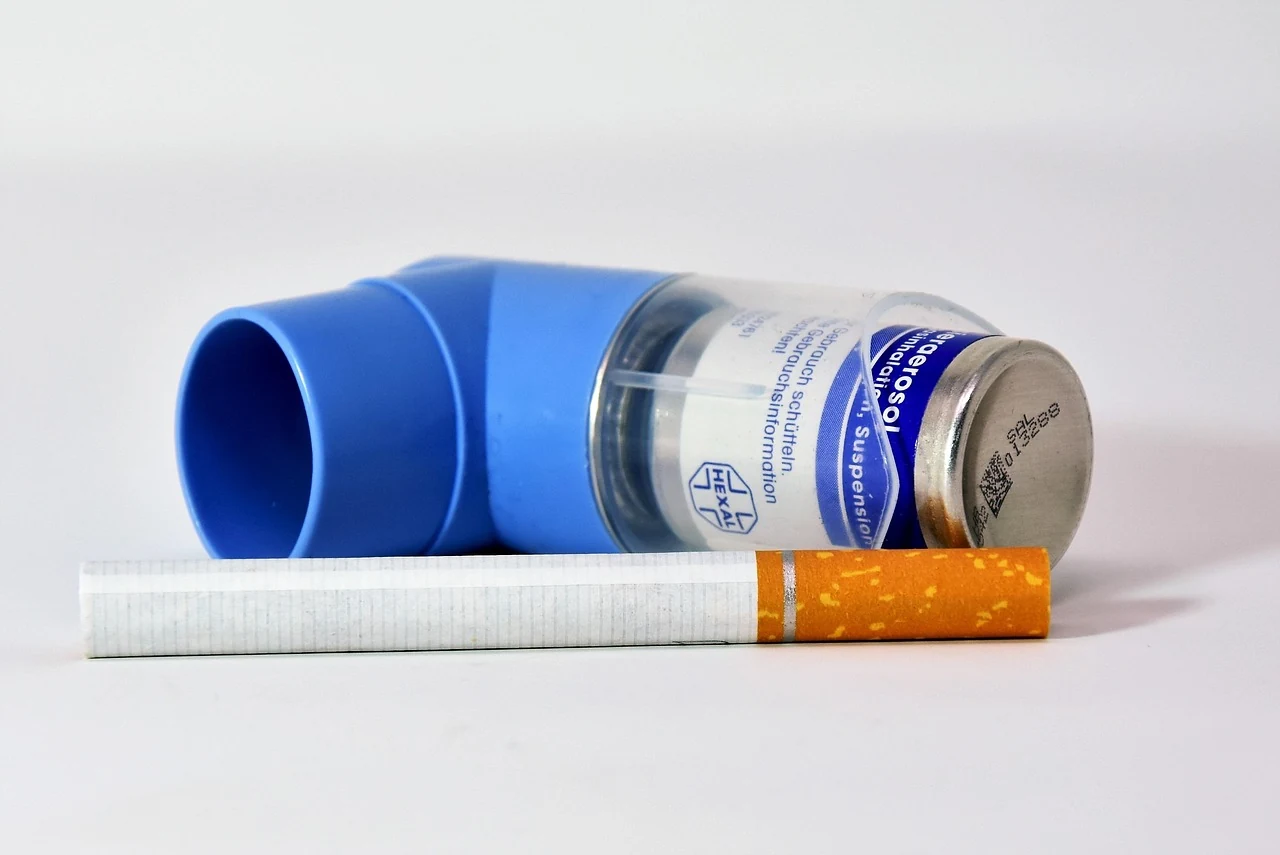
What narrows the bronchi in asthma, why symptoms worsen at night, which triggers set them off, and how the diagnosis is confirmed with spirometry and peak flow measurement.

How smoke changes the bronchi and alveoli, why COPD and lung cancer develop, and what changes in breathing after quitting tobacco.

Two inflammations of the respiratory system with different courses: what is affected, which symptoms distinguish bronchitis from pneumonia, how they are confirmed, and when hospitalization is needed.
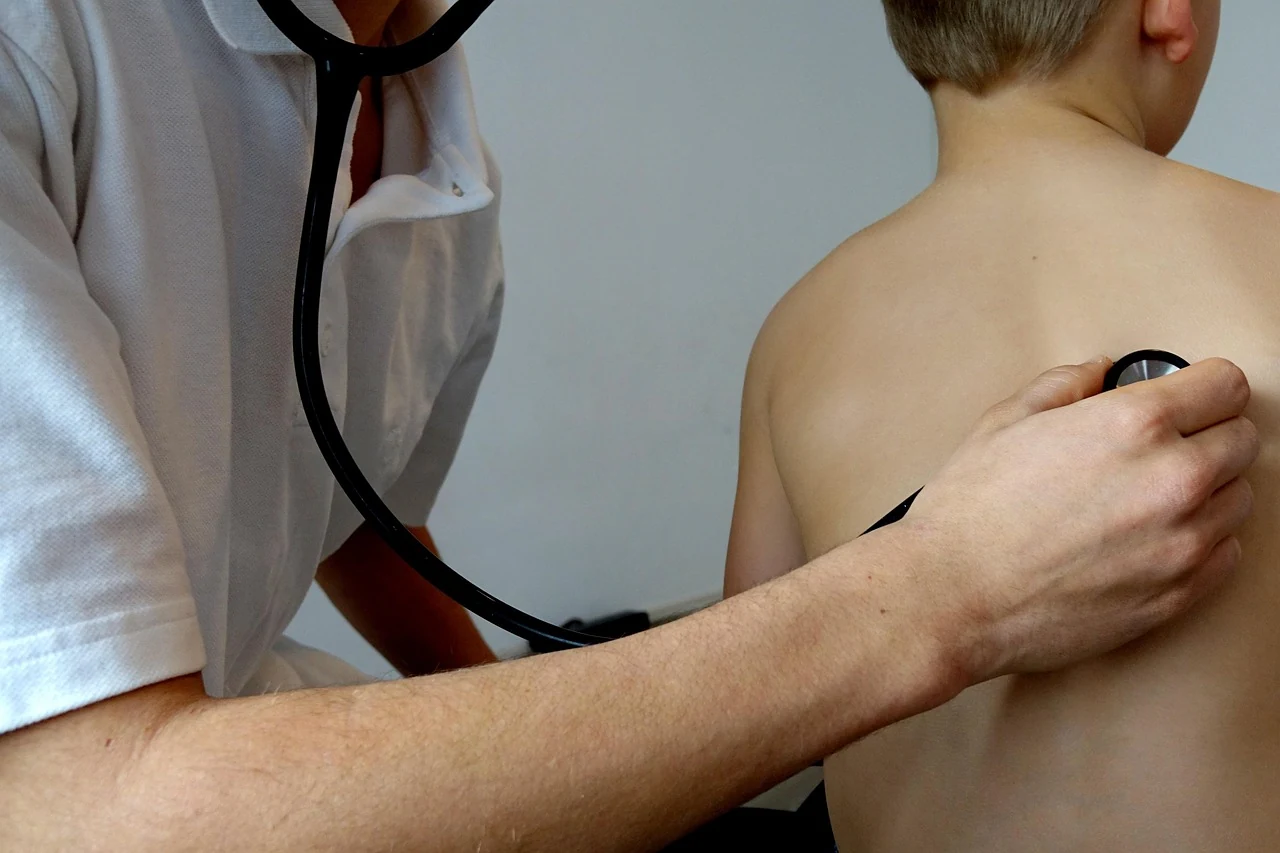
A cough usually goes away on its own within 3–4 weeks, but it can also be prolonged. We explain how an acute cough differs from a chronic one, what dry and wet mean, and when to see a doctor.

Shortness of breath can occur with lung diseases, heart diseases, and anxiety. We explain how sudden differs from gradual, what tests are performed, and when every minute counts.