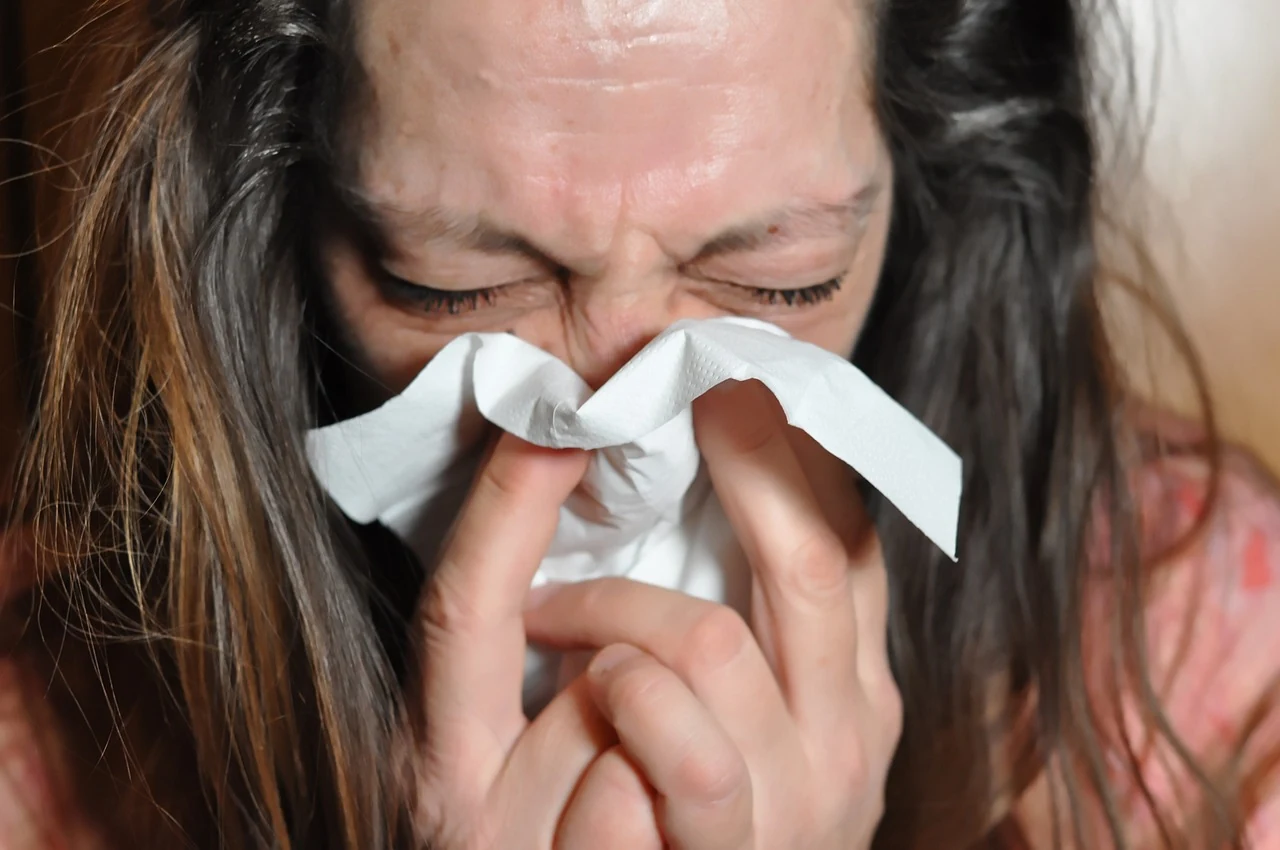

You woke up with a stuffy nose and a sore throat. The next day, sneezing and a cough set in. This is a typical start of a cold, and the coming days follow a fairly predictable course.
What ARI is and what causes it
ARI is a viral infection of the upper respiratory tract. Adults get it 2–5 times a year, on average 2–3 times.
Children get it 6–10 times a year, and schoolchildren up to 12 times.
There are more than 200 pathogens. The most common is rhinovirus: it causes 30–80% of cases.
Next come coronaviruses (10–15% of cases) and influenza virus (5–15%). Sometimes several viruses are present in the body at the same time.
Symptoms and the day-by-day sequence
Symptoms build up gradually over 2–3 days. The peak usually falls within this period.
The main symptoms of a cold:
- runny or stuffy nose;
- sneezing;
- sore throat, hoarse voice;
- cough;
- fatigue and malaise.
Possible fever, muscle aches, headache, loss of taste and smell, pressure in the ears and face.
Symptoms arise more from the immune system's response than from direct tissue damage by the virus.
How long it lasts and how it spreads
A cold usually lasts up to a week. You feel better over 1–2 weeks.
In young children, symptoms may last longer. They may be irritable, eat and sleep worse, and breathe through their mouth.
A person is contagious until all symptoms disappear. A sick person may start spreading the virus a few days before symptoms appear.
It spreads by airborne droplets — through coughing and sneezing. Viruses survive on hands and surfaces for 24 hours.
You touch such a surface, then your eyes or nose — and the virus enters the body. Rhinovirus is most contagious in the first 3 days after symptoms appear.
The virus often spreads in kindergartens and schools, from where children bring it home.
Colds become more frequent when people spend more time indoors close to one another. Dry air helps droplets spread and stay in the air longer.
You can catch a cold at any time of year. Influenza and RSV circulate mainly in winter, while other viruses that cause cold symptoms circulate in spring, summer, and autumn.
How a cold differs from the flu
The symptoms are similar, but the flu is more severe. A cold builds up gradually, while the flu comes on within a few hours.
A cold mainly affects the nose and throat. The flu knocks you off your feet: a person feels exhausted and cannot work.
If the flu or COVID-19 is suspected, especially with a high risk of complications, take a test. Influenza, COVID-19, and RSV tend to be more severe in infants, older adults, and people with chronic illnesses or weakened immunity.
Prevention: simple steps
The best protection is washing your hands with warm water and soap. Do this often.
Cover your coughs and sneezes with a tissue and throw it away immediately. Do not touch your eyes and nose.
Do not share towels, cups, or children's toys with a person who has a cold. Avoid close contact with sick people.
With a high fever or feeling unwell, it is better to stay home and avoid contact until you feel better.
The flu vaccine does not protect against a cold. There is no convincing evidence that supplements such as vitamin C, echinacea, or garlic prevent colds.
When it's no longer a cold
Complications vary. Mild to moderate ones include otitis and sinusitis. More serious ones include asthma attacks, bronchitis, pneumonia, and flare-ups of chronic diseases.
Antibiotics do not work for a cold: they are needed only for a bacterial infection, while colds are caused by viruses.
Call 103 or 112 if you have shortness of breath or difficulty breathing, chest pain, or a very high fever with heat, chills, or shivering.
When to book an appointment with a family doctor: fever lasts more than 3 days, symptoms worsen, do not go away within 10 days, or a cough lasts more than 3 weeks.
Also see a family doctor if you have a long-term condition (diabetes, heart, lung, or kidney disease) or weakened immunity.
This material is for reference and does not replace a doctor's consultation.
Sources
Update history
This content is for reference and does not replace a doctor's consultation. Medical disclaimer