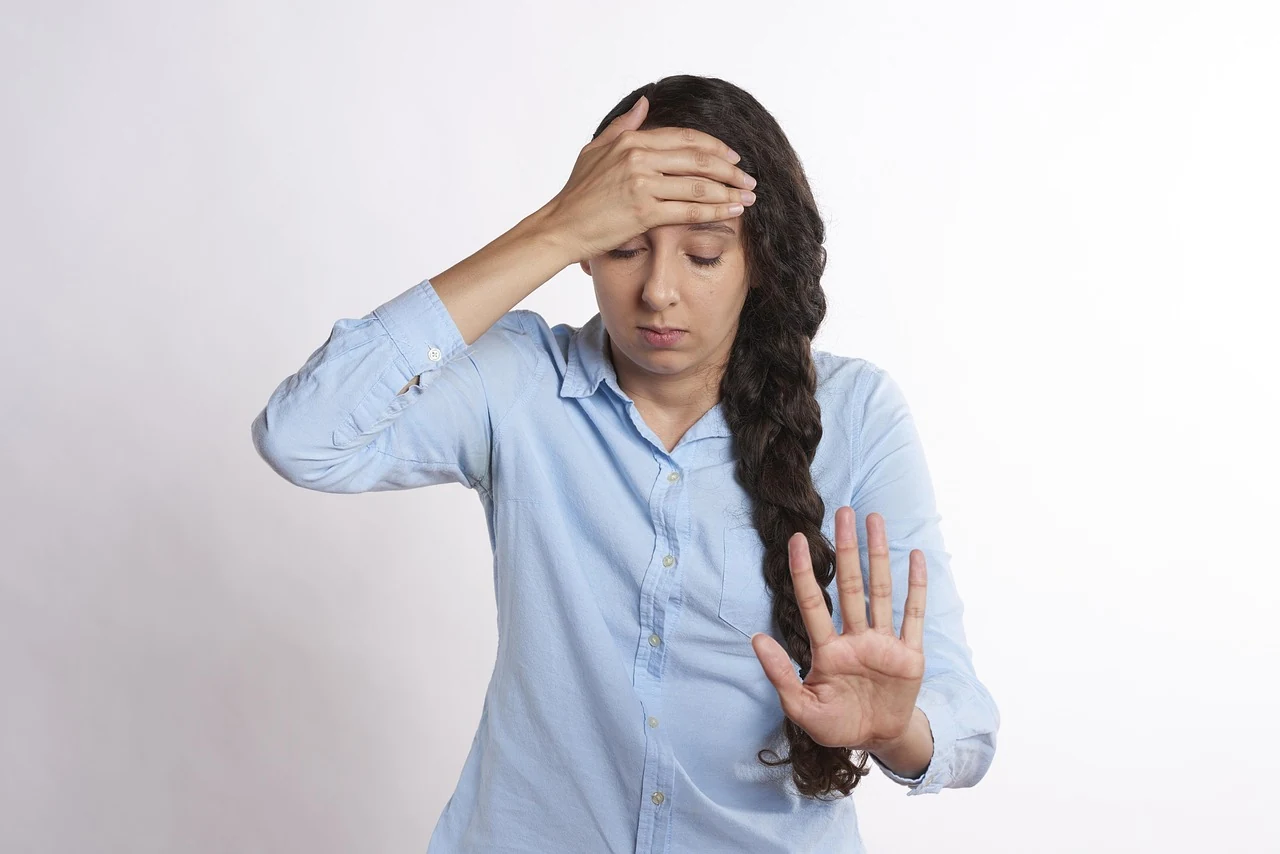

Light becomes unbearably harsh, sounds are too loud, and your head throbs as if a tiny hammer is striking your temple. This is not a 'simple headache'—it's a migraine, a chronic neurological disorder that affects over 10% of the population worldwide over their lifetime.
What is migraine and who is more likely to get it
Migraine is a primary headache characterized by attacks of moderate to high intensity, often unilateral, pulsating, lasting from 2 to 72 hours and worsening with routine physical activity. According to WHO, migraine ranks third among neurological diseases in terms of disability burden worldwide. It is more common in women—likely due to hormonal influences—and most often begins at puberty, peaking between ages 35 and 45. In children, migraine may manifest primarily with abdominal symptoms and last shorter.
Attack phases: from prodrome to postdrome
Migraine is not just pain but a whole sequence of stages. A few hours or even 1–2 days before the headache, a prodrome may occur: feeling tired, frequent yawning, craving certain foods or thirst, mood changes, neck stiffness, frequent urination. In one third of people, an aura develops before the pain—temporary disturbances that usually last no longer than one hour:
- flashing zigzags or flashes of light before the eyes;
- numbness or tingling, like pins and needles;
- dizziness;
- difficulty speaking.
Then comes the pain phase: pulsating, often unilateral pain, nausea, vomiting, sensitivity to light and sound. Early symptoms, such as severe fatigue, may persist even after the pain has subsided.
Triggers and headache diary
Triggers are initiating factors that are not causes of migraine but can provoke an attack. Their effect may begin up to 24 hours before symptoms appear. The most common triggers are considered to be stress (especially in anticipation of a stressful event or after it), sleep disturbances (lack, excess, sudden change in schedule), hunger or irregular eating. Also among triggers are certain foods (cheese, chocolate, nuts, fish), alcohol (most often beer, red wine, champagne), hormonal fluctuations (menstruation, use of contraceptives), weather changes, excess caffeine, lack of physical activity. In women, attacks often occur before or during menstruation—this is menstrual migraine, which is usually longer and more severe. According to WHO, a headache calendar helps identify triggers, and limiting alcohol, regular sleep, and routine often already provide relief. In some people, attacks occur several times a week, in others—less often.
How migraine differs from tension headache
Tension headache, as defined by WHO, is felt as pressure or tightening, like a band around the head, sometimes spreading to or from the neck. It is often associated with stress or musculoskeletal problems of the neck, more often begins in adolescence and occurs 50% more often in women than in men; episodic attacks last several hours but can also last several days. Migraine, on the other hand, is a pulsating pain, often unilateral, accompanied by nausea, vomiting, sensitivity to light and sounds, and forces a person to stop usual activities.
When to see a doctor
If attacks occur more than once a week, it's a reason to see a family doctor, who will refer to a neurologist if needed. If attacks become more severe or longer, are poorly controlled, or migraine regularly occurs before menstruation, it's a reason to visit a family doctor. If an attack lasts more than 72 hours, aura lasts more than 1 hour, or if you are pregnant or have recently given birth, it's a reason for urgent medical attention the same day.
Call emergency services—103 or 112—if the headache occurs suddenly and is extremely severe, accompanied by speech or memory impairment, loss of vision or double vision, drowsiness, confusion, seizures, high fever with meningitis symptoms, weakness or numbness in limbs or on one side of the face, or if there has been a recent head injury.
This article is for informational purposes and does not replace a doctor's consultation.
Sources
Update history
This content is for reference and does not replace a doctor's consultation. Medical disclaimer