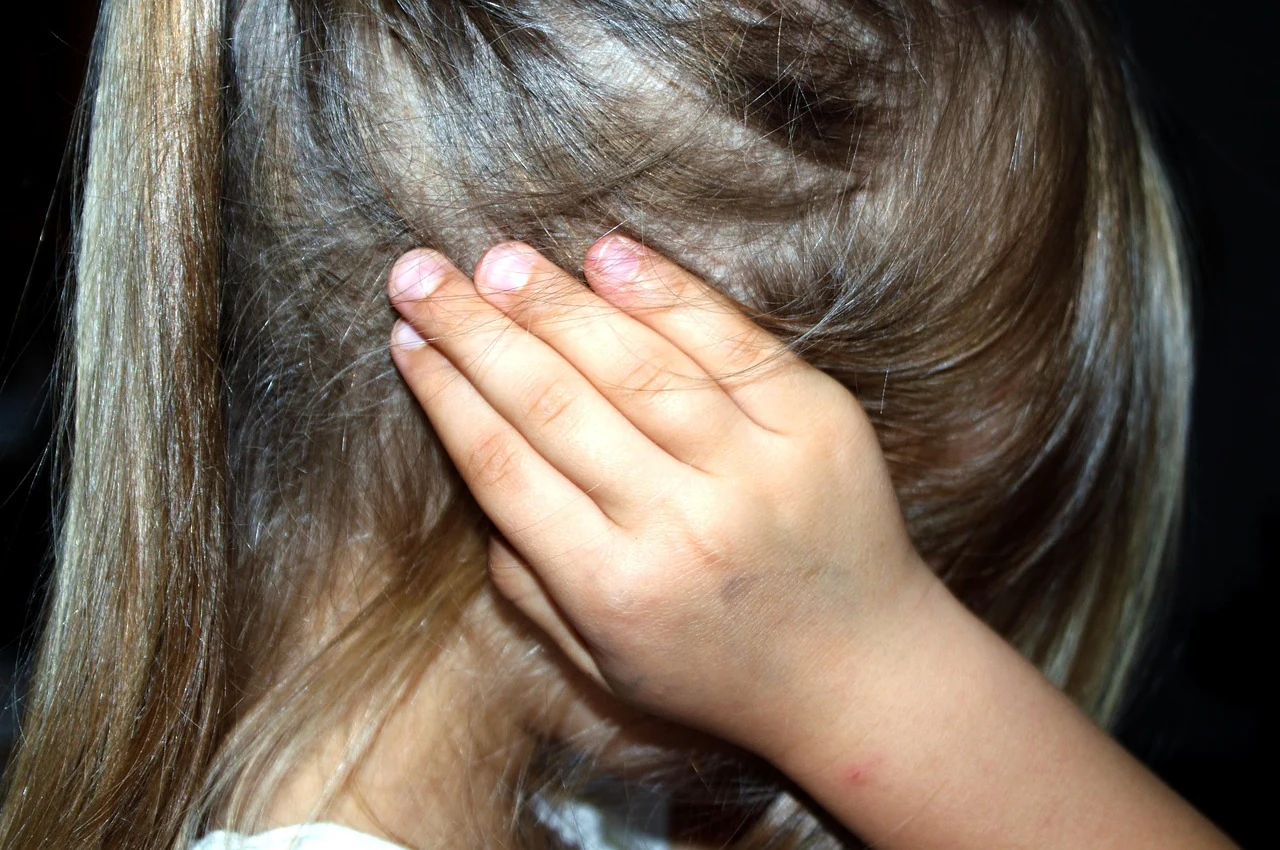

Otitis is inflammation of the ear, and it is very common, especially in children. Often everything resolves on its own within three days. Below: the parts of the ear, the difference between the types of inflammation, the point at which waiting is no longer justified, and how the ear is examined.
What happens inside: the ear on three levels
The ear is not a single cavity but three parts, and each can become inflamed in its own way. The outer ear is the auricle and the ear canal, the tube between the auricle and the eardrum. The eardrum is stretched at the end of the canal and separates it from the middle ear. The middle ear is a small cavity behind the eardrum, and the Eustachian tube, a narrow channel, connects it to the back of the nose. Through it, the pressure in the middle ear is equalized with the pressure outside, and it is also affected in middle ear otitis. The inner ear consists of deeper structures, including the labyrinth and the vestibular system. The name "otitis" comes from the Greek word meaning "ear".
Types of otitis
Otitis is caused by an infectious lesion of the corresponding part of the ear, so external, middle, and inner are not three names for the same thing but three different parts with different causes.
External otitis (otitis externa) is inflammation of the ear canal. It occurs in both children and adults. The cause is something that irritates the canal: eczema, water, earplugs; or a fungal or bacterial infection.
Middle ear otitis (otitis media) usually affects children. The cause is viruses, such as a cold or flu, and the inflammation develops in the area of the Eustachian tube, which leads from the middle ear to the back wall of the nose.
Inner ear otitis occurs in both children and adults, and is caused by viral or bacterial infections. The labyrinth and vestibular system are affected, up to labyrinthitis.
Symptoms: what to watch for at home
Symptoms usually start quickly: pain inside the ear, fever, hearing deterioration, discharge from the ear, a feeling of pressure or fullness, itching and irritation in and around the ear, flaky skin.
Young children will not say "it hurts", so you have to rely on their behavior:
- pulls at or scratches the ear;
- does not respond to some sounds;
- irritable, restless, sleeps poorly;
- refuses food;
- loses balance more often.
Sometimes symptoms last up to a week.
How it is diagnosed
The doctor examines the ear with an otoscope, an instrument with a light and a magnifying lens. Some otoscopes additionally blow a small stream of air into the ear: this checks patency, and impaired patency may indicate an infection. Not every otoscope has an air stream.
When to see a doctor
There are signs that require urgent attention: general poor condition against the background of otitis symptoms, very high fever or chills, cold or shivering, swelling around the ear, discharge from the ear, change in hearing or new hearing loss, nausea or vomiting, dizziness, or severe sore throat. Another reason is a child under one year of age with pain in both ears. Separately: diabetes, heart, lung, kidney, or neurological conditions, as well as weakened immunity, for example during chemotherapy.
Otitis by itself is not a reason to call an ambulance; 103/112 is for life-threatening conditions.
A scheduled examination is another matter. A child under 12 months with suspected otitis needs a doctor's examination. Pain that does not go away within three days is a reason for an examination. Repeated episodes are too, in both adults and children.
Prevention: risk factors under control
It is not possible to fully protect against otitis, especially those that arise against the background of a cold or flu. Some risk factors are under control: vaccinations according to the childhood schedule, tobacco smoke in the home, a pacifier after six months, irritation of the canal by water, shampoo, earplugs, cotton swabs, or fingers, untreated eczema, or allergy to hearing aids.
This text is a reference, not a substitute for consultation.
Sources
Update history
This content is for reference and does not replace a doctor's consultation. Medical disclaimer