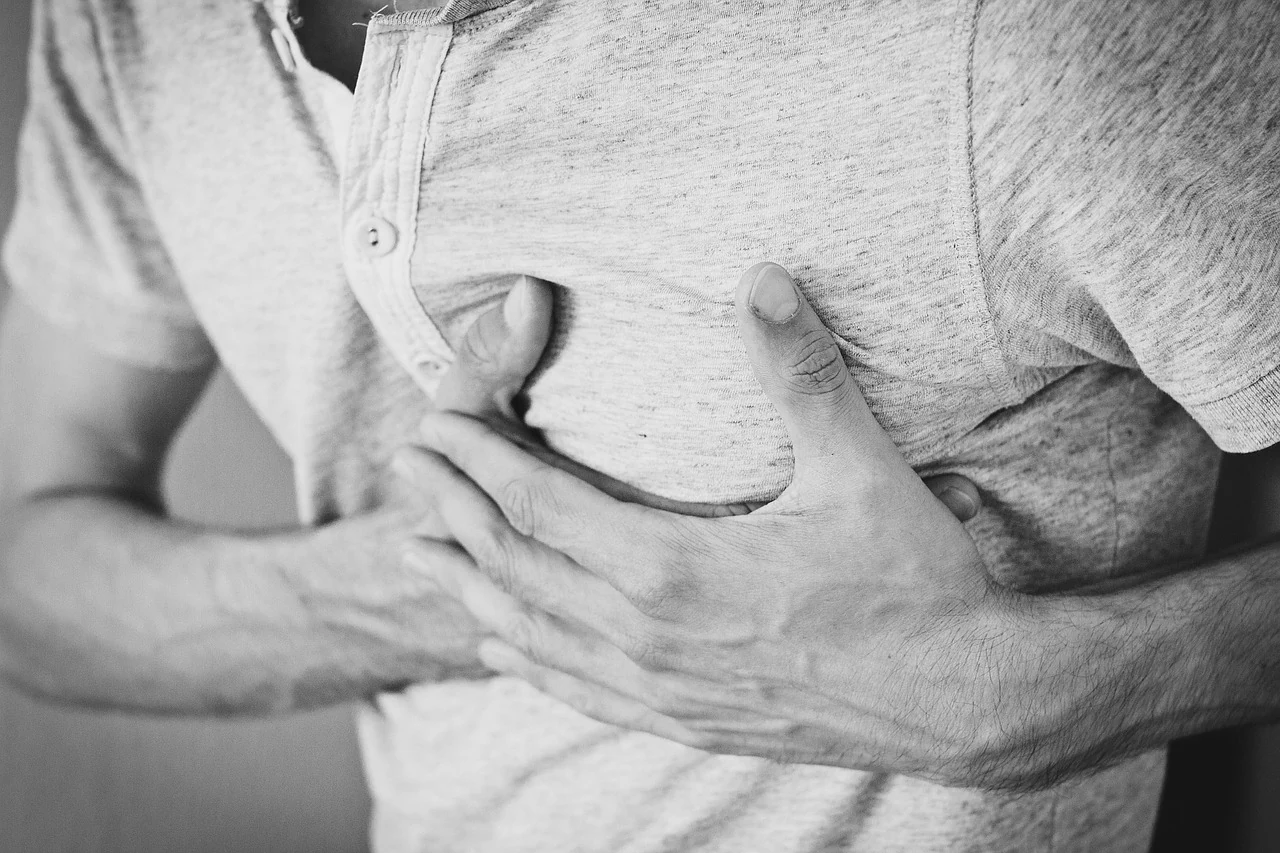

A panic attack comes suddenly: the heart races, there's no air, there's pressure in the chest, and it seems that something irreparable is about to happen. It is one of the most frightening conditions, even though there is no external threat. Let's break down what is happening in the body at that moment and why the heart does not suffer from it.
What a panic attack is
A panic attack is an episode of severe anxiety accompanied by physical manifestations that arises quickly, often without an obvious cause. Panic is the most intense form of anxiety, and during an attack a person experiences a surge of intense physical and psychological symptoms.
Physiologically, this is the "fight or flight" response. The body releases a large amount of adrenaline and mobilizes against danger—albeit an imagined one. The reaction is aimed at preserving life, which is why during an attack a person feels as if they are about to die.
Most attacks pass within 5–20 minutes; some can last up to an hour or longer, on average 15–30 minutes. The frequency also varies: from several attacks a week to one or two a month.
Symptoms: how it feels
A panic attack is characterized by fear, panic, or a feeling of inner tension together with four or more accompanying symptoms. Most often people describe the following:
- rapid heartbeat, sweating, tremor;
- shortness of breath, suffocation, pain or discomfort in the left side of the chest;
- dizziness, nausea, numbness or tingling in the limbs;
- a feeling as if everything around is unreal and the body is not one's own;
- fear of death, fear of going mad or losing control.
There can also be dry mouth, a lump in the throat, hot flushes, frequent urination. The intensity also varies—from pronounced panic to inner tension, when the physical component comes to the fore.
Why it resembles a heart attack
Heartbeat, chest pain, and shortness of breath are exactly the symptoms a person associates with a heart attack. The fear of death is added, and it is hard for a person to distinguish an attack from a heart attack. Because of this, a person may call emergency services.
A panic attack is unpleasant but not dangerous: it does not cause physical harm, and hospitalization because of it is unlikely. At the same time, the same symptoms can be a manifestation of other conditions—for example, a rapid heartbeat also occurs with very low blood pressure. That is why the cause is determined together with a doctor.
Call 103 or 112 immediately if the condition is life-threatening, in particular if a heart attack or stroke is suspected.
Panic disorder: when attacks become constant
Panic attacks in themselves do not mean panic disorder. Disorder is spoken of when attacks are regular, unexpected, and afterward the person lives for at least a month in constant worry that the attack will recur. A "fear of fear" cycle appears: the person begins to avoid places and situations that, in their opinion, may trigger an attack.
Over time, avoidance becomes entrenched. Agoraphobia arises—fear of transport, crowds, enclosed spaces, sometimes so strong that the person does not dare leave the house. Without help, the disorder can worsen and increase the risk of other phobias or alcohol problems.
The causes are not fully understood. Among the likely factors are traumatic or highly stressful experiences, heredity, and an imbalance of neurotransmitters in the brain. Often behind it is exhaustion of the nervous system against the background of prolonged anxiety.
How doctors investigate and where to turn
At the appointment, the doctor asks you to describe the symptoms, their frequency and duration, and also conducts an examination to rule out other causes—from cardiac to endocrinological. Sometimes a panic disorder severity scale is used.
Next, they discuss help: talking therapies, in particular cognitive behavioral therapy, or medication support—the specific decision is made by the doctor. If symptoms do not ease after therapy, medications, and support groups, the family doctor may refer you to a psychiatrist or clinical psychologist. Panic disorder is treatable, so contact your family doctor if attacks recur.
This material is for reference and does not replace a doctor's consultation.
Sources
Update history
This content is for reference and does not replace a doctor's consultation. Medical disclaimer