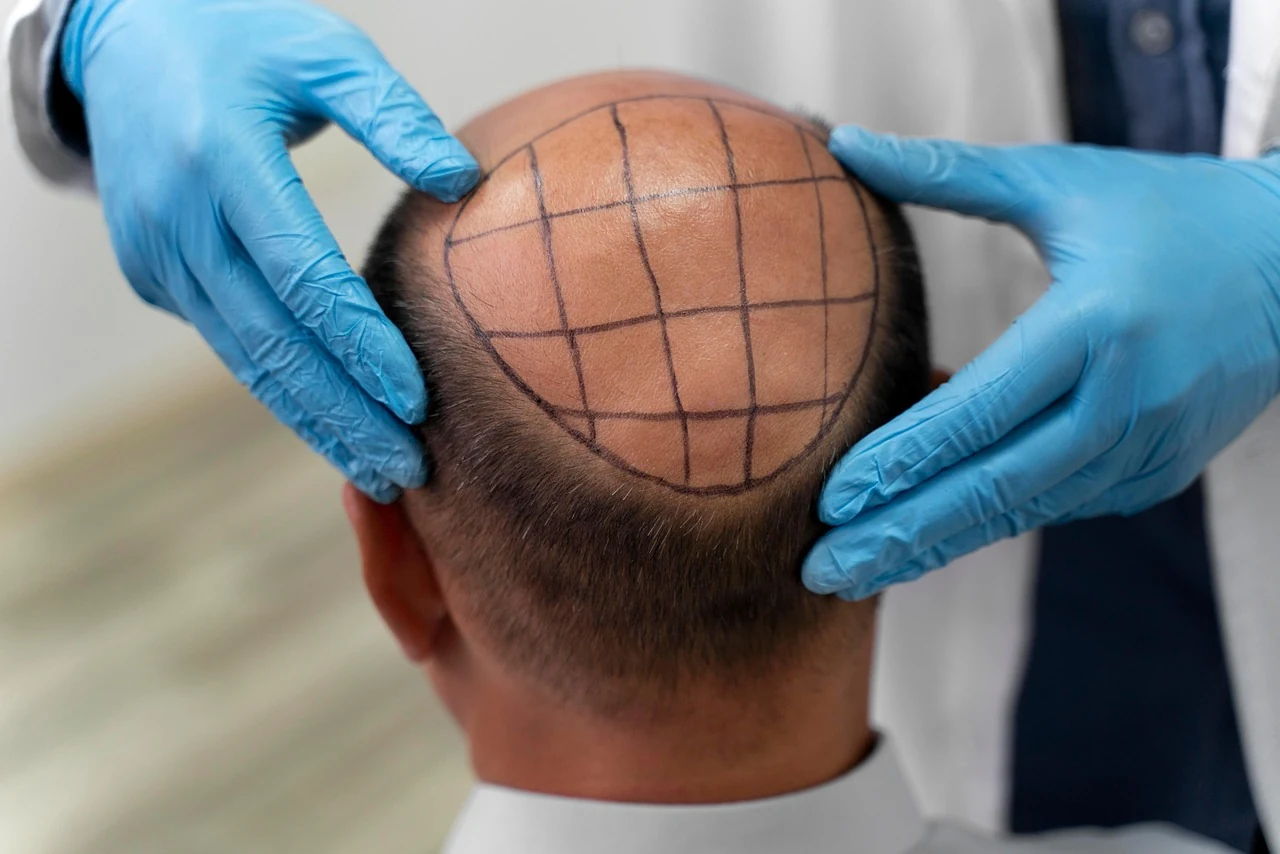

Scalp flaking is a common complaint: white flakes on the collar, itching after washing, the habit of scratching the back of the head. Some of these cases are ordinary dandruff, but sometimes the cause is seborrheic dermatitis. We'll explain what it looks like, where it comes from, and when it's time to see a dermatologist.
What seborrheic dermatitis and seborrhea of the scalp are
Seborrheic dermatitis is a chronic inflammatory disease that affects areas of the skin with developed sebaceous glands and increased activity. Most often, the scalp and hairline are affected, as well as the eyebrows, behind the ears, the chest, and skin folds. The course is chronic: exacerbations alternate with calm periods. In infants, such scalp involvement is called cradle cap. Seborrhea is discussed separately—a dysfunction of the sebaceous glands with changes in sebum composition; however, ICD-10 does not support the separation of seborrheic dermatitis and seborrhea proposed by some authors.
What scalp dermatitis looks like
The basic manifestations are flaking and inflammation of the skin, accompanied by itching. White flakes appear on the scalp and in the hair, the skin may seem dry and itchy. In the mild variant, described as dry seborrhea, there are no acute inflammatory changes, and redness is not always visible under a massive layer of flakes. More severe cases show erythematous spots and plaques with mealy or greasy scales, sometimes yellowish scale-crusts and hemorrhagic crusts from scratching; lesions involve the hairline and forehead skin.
What should raise concern with flaking:
- White dry flakes or greasy, yellowish, and sticky ones
- Itching that intensifies with infection
- Redness and swelling of the skin under the hair
- Flaky patches on the eyebrows, behind the ears, on the chest
- Symptoms persist longer than four weeks of usual care
Why seborrheic dermatitis occurs
The exact cause is unknown: a combination of sebaceous gland activity, Malassezia yeast-like fungi, changes in skin barrier function, and heredity is discussed. These lipophilic fungi are a permanent component of normal microflora in more than 78% of the population; they concentrate around sebaceous glands and use their secretion as a source of fatty acids, and Malassezia globosa releases unsaturated fatty acids that irritate the skin and weaken the barrier. Seborrhea occurs at any age but more often during puberty against the background of hormonal changes; this is called physiological. Risk factors include hormonal shifts, stress and fatigue, weather changes, oily skin and acne, heavy alcohol consumption, obesity, nervous system diseases (Parkinson's disease, stroke), HIV/AIDS.
How it differs from dandruff and other dermatitis
Dandruff is a common condition in which white flakes appear on the scalp and in the hair; it is not harmful and not contagious. In seborrheic dermatitis, flaking is accompanied by inflammation, redness, and itching, and lesions often extend beyond the scalp. Similar pictures are produced by other conditions: ringworm—red or silvery rash on the head, sometimes with focal hair loss; eczema—dry, red, and very itchy skin; contact dermatitis—a reaction to hair dyes, sprays, and gels; psoriasis—red painful plaques with silvery scales.
How a doctor makes the diagnosis
The diagnosis is made by the appearance and localization of lesions. Additional tests, such as a skin biopsy, are rarely needed. The doctor may check the scalp for diseases that cause dandruff.
When to see a dermatologist
If scalp dermatitis does not resolve, the guidelines are: symptoms persist after at least four weeks of using an anti-dandruff shampoo; dandruff is severe or the scalp is very itchy; the scalp is red or swollen; flaky itchy patches are present on the face or other parts of the body. Medical attention is also sought when lesions ooze, discharge fluid or pus, become crusted, very red, or painful. A possible complication is a secondary bacterial or fungal infection.
Seborrheic dermatitis itself is not a reason to call an ambulance; 103/112—for life-threatening conditions not related to the skin: severe injuries, stroke, heart attack.
This material is for reference: it describes signs and mechanisms but does not replace a doctor's consultation—a diagnosis cannot be made from a description.
Sources
Update history
Reader reviews
No reviews yet — tell us whether this article was helpful.
Leave a review
This content is for reference and does not replace a doctor's consultation. Medical disclaimer