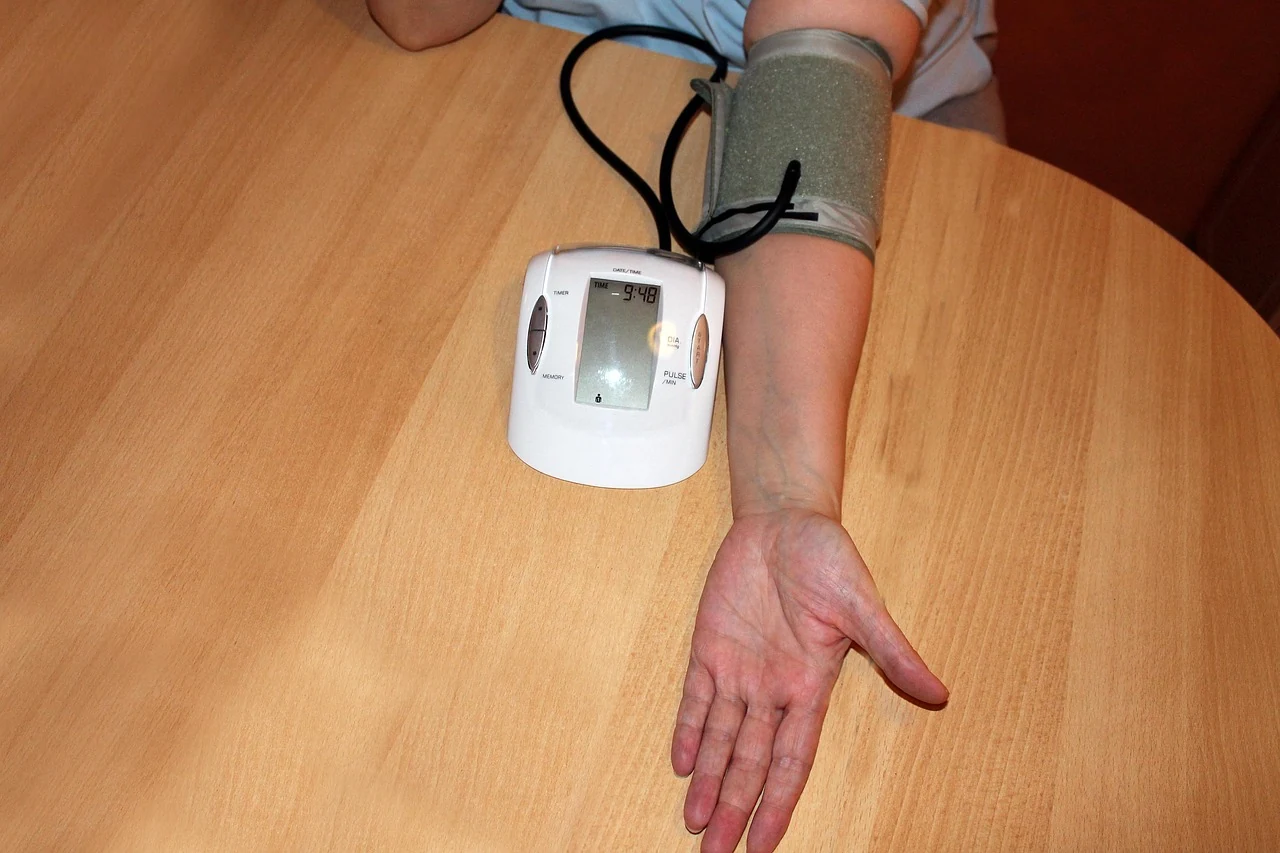

The two numbers on the blood pressure monitor screen are not a diagnosis or a sentence, but two different moments of heart function. Let's clarify what each of them shows, where the difference comes from, and which values doctors consider normal.
What blood pressure is
Blood pressure is the force with which blood presses against the walls of arteries as the heart pumps it through the body. Most often, this term refers to arterial pressure, although there is also intracardiac, capillary, and venous pressure. The maximum is at the exit from the heart, in the aorta and large arteries; pressure drops most in the arterioles and capillaries.
Two things determine the value: the volume of blood the heart pumps per unit of time and the resistance of the vascular bed. Each beat triggers a fluctuation—from maximum during contraction to minimum during relaxation. Hence the two numbers on the monitor.
Upper pressure: what it shows
The upper number is systolic pressure. It shows the pressure in the arteries at the moment when the heart contracts and pushes blood out—this is the maximum during the cardiac cycle. It depends on the strength of heart muscle contraction, the resistance of vessel walls, and the number of contractions per minute.
In the reading 130/80, the first number is the systolic one.
Lower pressure: what diastolic pressure shows
The lower number is diastolic pressure. This is the pressure in the arteries at the moment of relaxation of the heart muscle, the minimum level between beats. It reflects the resistance of peripheral vessels.
The second number is always lower than the first: in the example 120/80, the lower is 80.
How systolic and diastolic pressure differ
The difference between the upper and lower is called pulse pressure; normally it is 30–50 mm Hg. As blood moves through the vascular bed, the amplitude of fluctuations decreases, so venous and capillary pressure depend little on the phase of the cardiac cycle.
Myth: "the lower one doesn't count, only the upper is looked at." Fact: either one or both numbers can be too high. Previously, diastolic elevation was considered the most dangerous, and isolated systolic hypertension was considered a variant of normal. Now these views have been abandoned, and systolic above 140 mm Hg in people over 50 is a risk factor for cardiovascular diseases.
How pressure is measured and what the indicators mean
Arterial pressure is measured with a tonometer—a sphygmomanometer. The classic is the Korotkov method with a mechanical device and stethoscope; automatic models inflate the cuff, release air, and display the numbers. The procedure takes a couple of minutes, and the measurement is often repeated for accuracy.
Preparation: empty your bladder, do not drink coffee or smoke 30 minutes before measurement, sit quietly for 5 minutes, preferably 10. Position: back supported, legs not crossed, feet on the floor, arm at heart level, cuff on the upper arm—the lower edge 2.5 cm above the elbow bend. At home—2–3 measurements with an interval of a minute, morning and evening for 5 days: at least 10 readings for the doctor.
What the indicators mean in mm Hg:
- normal—upper below 120 and lower below 80;
- elevated—upper 120–129 with lower below 80;
- stage 1 hypertension—from 130/80 but below 140/90;
- stage 2 hypertension—140/90 and above;
- hypotension—persistent decrease below 90/60.
At the doctor's, high pressure starts from 140/90, at home—from 135/85. In adolescents 14–16 years old, the normal limit is 129 systolic and 69 diastolic.
What the numbers depend on and when a doctor is needed
Pressure is not constant. It is higher at work, slightly lower at home, minimal during sleep, and spikes sharply upon waking. The numbers are influenced by time of day, stress, coffee, tea, medications. If readings in the doctor's office are higher than at home—this is white coat hypertension, and home measurements help to see it.
Hypertension usually does not cause symptoms—it can only be detected by measurement. Low pressure manifests itself with dizziness and fainting. How often to check: once a year—from age 40 and with risks, once every 3–5 years—at 18–39 years with pressure below 120/80 without risk factors. Risks: age 40+, close relatives with hypertension, smoking, a lot of alcohol or coffee, a lot of salt, obesity.
A high or low tonometer reading by itself is not a reason to call an ambulance. 103/112—if there is a threat to life, for example, signs of stroke or heart attack.
This material is for reference: it explains the numbers but does not replace a doctor's consultation—discuss your blood pressure with a specialist.
Sources
Update history
Reader reviews
No reviews yet — tell us whether this article was helpful.
Leave a review
This content is for reference and does not replace a doctor's consultation. Medical disclaimer