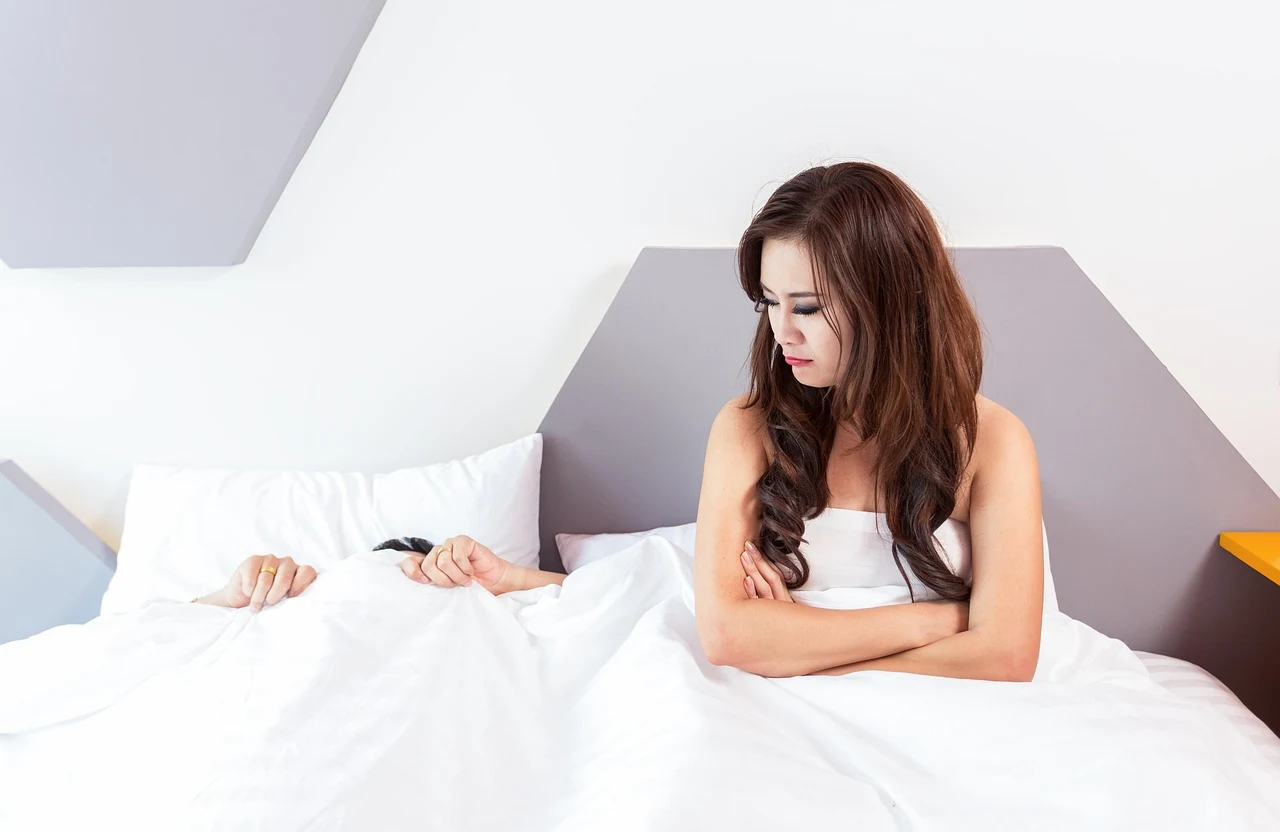

Snoring is very common and mostly does not indicate anything serious. It's another matter when pauses in breathing are added to the sound: behind them is obstructive sleep apnea, which requires treatment.
Where the sound comes from
Snoring occurs when the tongue, mouth, throat, or nasal passages vibrate during breathing. This happens because these parts relax and narrow during sleep — like a string that has lost its tension.
The causes vary: the tongue partially blocks the throat, the mouth opens during sleep, the nose is congested, or the airways are narrower than they should be. Sleeping pills sometimes cause snoring themselves.
When snoring becomes apnea
The most common type is obstructive sleep apnea: breathing stops and starts again during sleep because the airways are temporarily blocked. Apnea in general is a temporary cessation of breathing movements during sleep; one of the mechanisms is inhibition of the respiratory center in the medulla oblongata.
A drop in blood carbon dioxide irritates the respiratory center. Apnea ends when normal carbon dioxide levels are restored or when the blood lacks oxygen.
Symptoms of apnea mostly appear during sleep: breathing stops and restarts, sounds resembling gasping, snorting, or sniffing are heard, the person wakes up many times, and snoring is often loud. It is hard to recognize this on your own, so it helps to ask someone to stay nearby and observe the symptoms.
Loud snoring is among the nighttime symptoms of apnea, but snoring itself is not a diagnosis. Apnea is usually accompanied by snoring.
What is visible during the day
During the day the person feels very tired, has difficulty concentrating, and their mood fluctuates. There is a headache after waking up.
Risk factors
Apnea occurs when the airways narrow too much during sleep.
- excess weight, large neck circumference, age — although apnea also occurs in children and young adults;
- heredity: apnea in parents or other relatives;
- alcohol, especially shortly before sleep, and smoking;
- enlarged tonsils or adenoids, sleeping on the back;
- chronic obstructive pulmonary disease.
Excess weight in this list is not decorative: it simultaneously raises health risks and is among the causes of both conditions.
Risks for the heart and more
Without treatment, apnea brings elevated blood pressure, a higher risk of stroke, type 2 diabetes, and heart disease. Depression and mood swings are added.
Arterial hypertension is one such complication. Another consequence is a higher chance of a serious accident due to fatigue, including behind the wheel, and difficulty concentrating at work.
The partner also lives with this sound. Relationships do not grow stronger from it.
How apnea is diagnosed
At the appointment, the doctor examines the oral and nasal cavities, looking for a structural cause. If needed, a blood test is ordered or a referral to a specialist is made; it is convenient to come with a partner who can describe exactly how the person snores.
Suspicion of apnea leads to a sleep clinic. There, devices are provided that record breathing and heartbeat throughout the night; this usually happens at home, sometimes a night at the clinic is needed.
The examination shows whether apnea is present and how severe it is. Apnea can be serious if it is not diagnosed and treated.
The result is described by the apnea-hypopnea index, AHI. It shows how often breathing stopped: 5–14 — mild, 15–30 — moderate, over 30 — severe.
People see a doctor in several cases. Lifestyle changes do not help, snoring ruins the life of the person and their partner, daytime sleepiness sets in, breathing stops at night or gasping and choking sounds are heard.
Snoring and apnea by themselves are not a reason to call an ambulance; 103/112 — for a life-threatening condition, including signs of stroke or heart attack, the risk of which is increased by untreated apnea.
The text is for reference. It does not make a diagnosis and does not replace a doctor's consultation.
Sources
Update history
This content is for reference and does not replace a doctor's consultation. Medical disclaimer