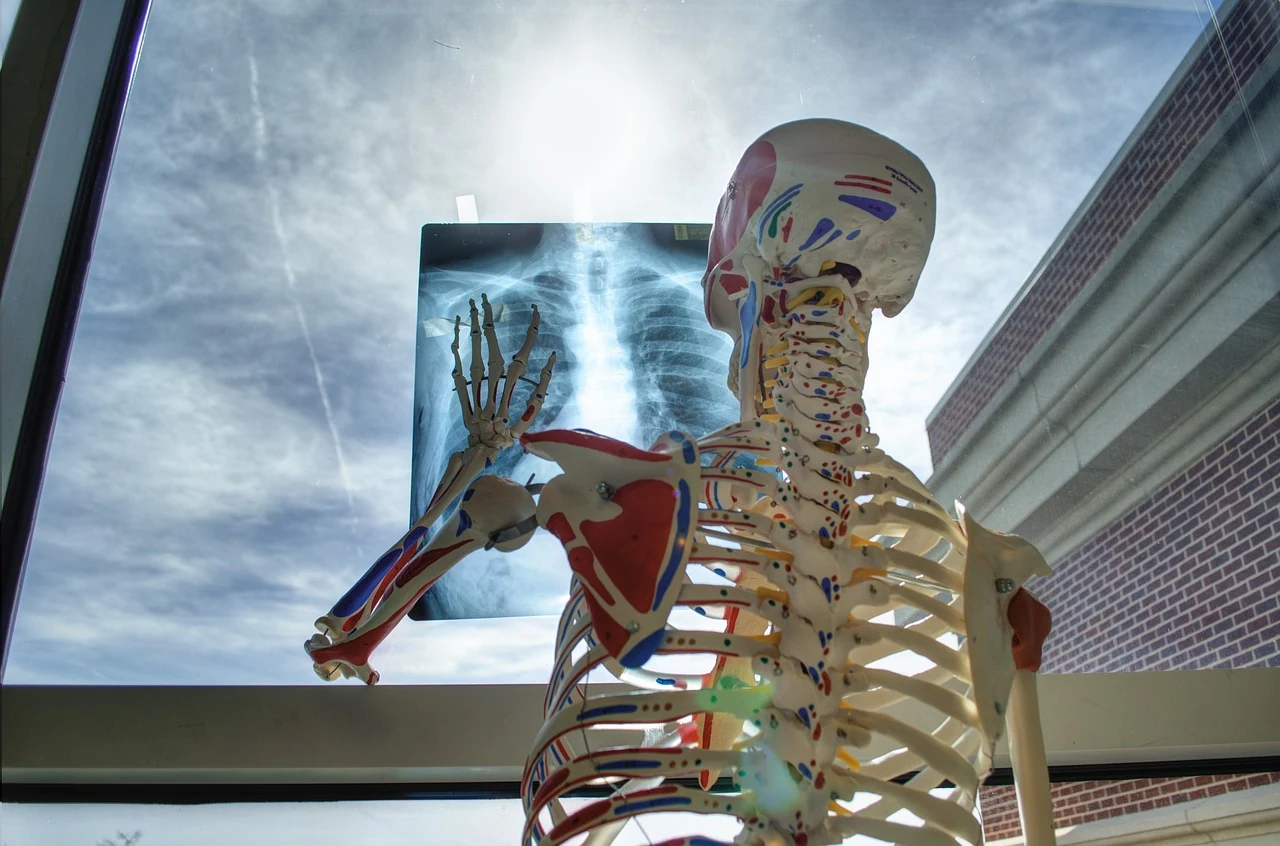

In the Babylonian laws of Hammurabi, a man had the right to divorce his wife if she fell ill with consumption. Hippocrates, at the end of the 5th — beginning of the 4th century BCE, described the manifestations of tuberculosis and its pathogenesis, but called it hereditary, because the disease affected entire families. Since then, medicine has learned to contain the disease, but humanity has not yet been able to say a final goodbye to it.
A disease that never went away
Tuberculosis is an infectious disease caused by mycobacteria, most often Mycobacterium tuberculosis; the lungs are mainly affected, although the process can involve the kidneys, brain, spine, and skin. In 2024, approximately 10.7 million people worldwide fell ill, and 1.23 million died, including 150 thousand people living with HIV. Among causes of death from a single infectious agent, tuberculosis ranks first in the world and is among the ten most common causes of death overall. Back in 1993, the World Health Organization declared it a global threat; since 2000, joint efforts have saved an estimated 83 million lives. This disease is curable.
Latent infection, active disease, and transmission
About a quarter of the world's population is infected with the tuberculosis pathogen. This condition is called latent infection: the person does not feel ill and is not contagious. Active disease begins when the bacteria multiply and damage organs; an estimated 5–10 percent of infected people progress to it. Young children have a higher risk of developing the disease after infection than adults.
Tuberculosis spreads through the air: a person with active pulmonary tuberculosis coughs, sneezes, or produces saliva, and droplets containing the bacteria enter the air. Symptoms can be so mild that a person ignores them for months — and therefore transmits the infection without realizing it. Some people with active disease have no complaints at all but are still able to infect others.
Signs that are easy to miss
The clinical picture depends on which organ is affected. The classic manifestations of the active form are:
- a prolonged cough, sometimes with blood;
- chest pain;
- weakness and rapid fatigue;
- weight loss;
- fever and night sweats.
With extrapulmonary involvement, the complaints are different — it all depends on the organ.
Who is in the risk group
The risk of infection progressing to disease is increased by conditions that weaken immune defenses: diabetes, HIV infection, malnutrition. Smoking and alcohol abuse add to the risk; smoking is linked to about 8 percent of cases worldwide. In people living with HIV, the active form develops up to 30 times more often, and tuberculosis remains the leading cause of death among them. The BCG vaccine, given to infants and young children in a number of countries, prevents deaths from tuberculosis and protects against severe forms.
Diagnosis and the multidrug-resistant form
A person with complaints of cough, fever, and unexplained weight loss is offered rapid molecular tests, which give initial results within 48 hours of sample collection. Diagnosis of active tuberculosis includes chest X-ray and computed tomography. Latent infection is detected differently — with a tuberculin skin test, an interferon-gamma release assay, or an antigen skin test.
Multidrug-resistant tuberculosis (MDR-TB) is caused by bacteria that are not affected by the main anti-tuberculosis drugs; resistance arises when medicines are used incorrectly. MDR-TB can be detected only after bacteriological confirmation of the disease and resistance testing by rapid molecular methods or culture.
When to see a doctor
A reason for a routine visit is a prolonged cough, fever, and unexplained weight loss: seeking help early can help stop the spread of infection. Screening is offered to those who live with HIV or come into contact with a patient at home or at work. Treatment is prescribed by a doctor.
Tuberculosis by itself is not a reason to call an ambulance. Call 103 or 112 only when the person's condition is life-threatening.
This article is for reference: it does not replace a conversation with a doctor who sees the person, not a description of the disease.
Sources
Update history
This content is for reference and does not replace a doctor's consultation. Medical disclaimer