
Cancer is a condition in which cells in the body grow without control. Different types of cancer have their own symptoms, but there are general changes that doctors pay attention to. Age increases risk, but it does not explain every new complaint.
Why Early Diagnosis Changes the Prognosis
Cancer incidence rises sharply with age. The likely reason is the accumulation of exposure to risk factors; in addition, cellular repair mechanisms work less effectively with age. For this reason, new changes in the body are not automatically attributed to age. A tumor can grow into neighboring tissues and spread to other organs; this process is called metastasis. Many types of cancer have high chances of being cured if detected early and treated properly. According to WHO, in 2024 nearly 10 million people worldwide died from cancer — approximately one in six deaths. Early diagnosis relies on three components: a person knows the symptoms and seeks help when noticing something unusual; there is access to clinical assessment and examinations; there is timely referral for treatment. Early detection has two parts — diagnosis in people with symptoms and screening of people without symptoms.
General Warning Signs
Cancer is more than 200 different diseases; some symptoms do not point to a specific organ but require examination.
- A new lump or swelling anywhere in the body.
- Heavy sweating, especially at night, or a high temperature that persists for a long time or keeps returning.
- Fatigue that is stronger than usual.
- Unusual bruises or bleeding: blood in the urine, blood from the rectum, vomiting blood.
- Weight loss without effort or reduced appetite; frequent or urgent urination, pain during it; body pain that is unusual for the person.
Signs by System
Skin: a new mole or changes in an existing one; a rash or sore that does not heal; yellowing of the skin or whites of the eyes, which is harder to notice on dark skin.
Digestion: heartburn or indigestion that occurs frequently, is very painful, or worsens; abdominal bloating that recurs or persists for a long time; changes in bowel movements — more or less frequent, diarrhea or constipation that does not go away or worsens.
Mouth and throat: difficulty swallowing; a hoarse voice that does not go away; a mouth ulcer that does not heal; white or red patches in the mouth.
Lungs: a cough that does not go away or worsens; shortness of breath that does not go away or worsens; blood in sputum.
Reproductive organs: unusual vaginal discharge; bleeding between periods, after sex, or after menopause; difficulty with erection; blood in semen.
Early signs of cancer on their own are not a reason to call emergency services. Call 103 or 112 if the person's condition is life-threatening.
What Is Not a Sign of Cancer
Most of the listed symptoms are very common; their presence does not mean it is definitely cancer, but they need to be checked, and early detection can make treatment easier. Age is a risk factor, not an explanation for a new complaint.
Examinations and Who to Go to First
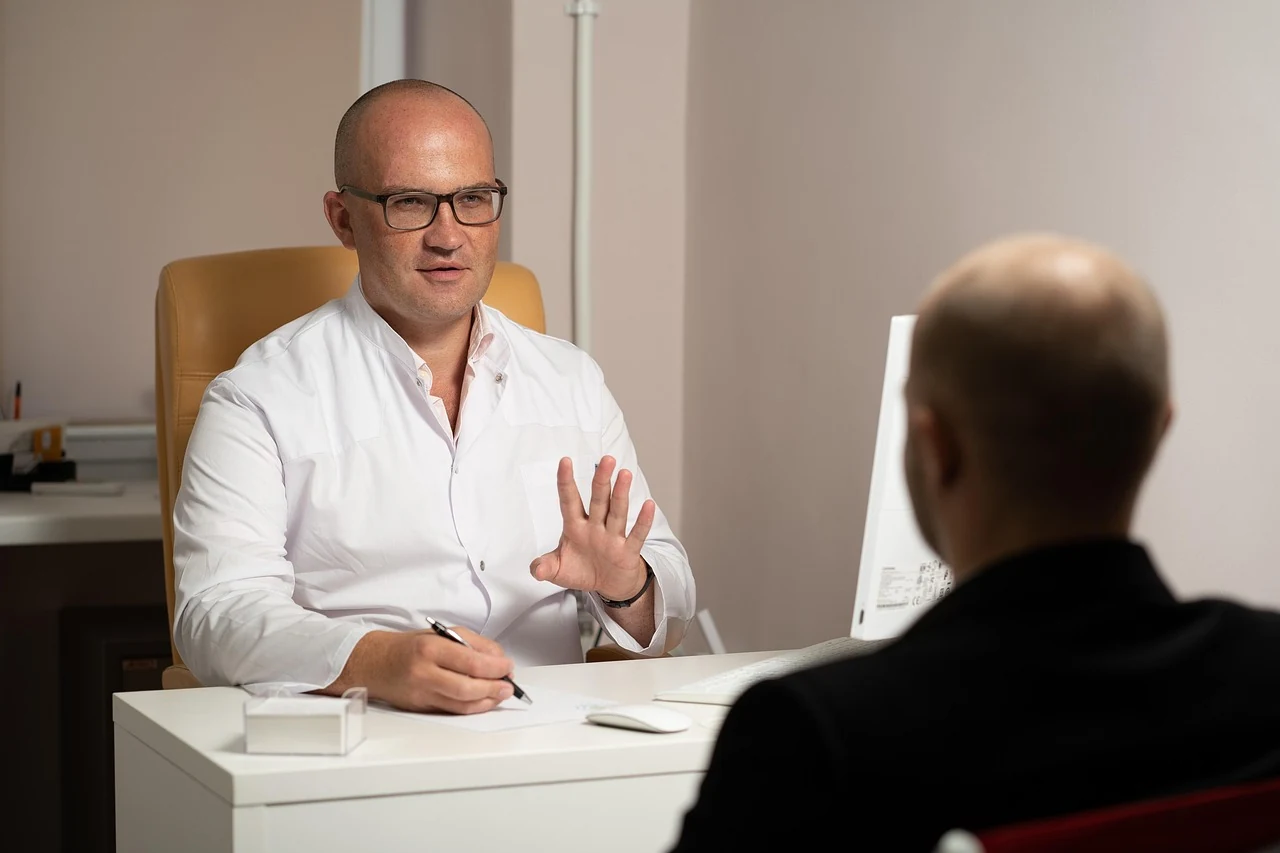
The first step is the family doctor: consult them about any unusual symptom. If the doctor suspects cancer, an urgent referral for additional tests or to a specialist at a hospital may be possible. When there are several cases of the same type of cancer in a family, genetic testing is discussed separately.
Certain types of cancer are detected within screening programs — in particular cervical, breast (mammography), and bowel screening. Risk is associated with tobacco, alcohol, excess weight, ultraviolet radiation, certain infections (HPV, hepatitis B and C), occupational exposures, and air pollution. According to WHO, approximately 10 percent of cancer diagnoses worldwide in 2022 were linked to cancer-causing infections — including the bacterium Helicobacter pylori and hepatitis B, hepatitis C, and human papillomavirus. Nearly a quarter of cancer deaths are linked to tobacco, alcohol, high body mass index, low consumption of vegetables and fruits, and insufficient physical activity. About 38 percent of cancer cases can be prevented by addressing these factors.
This material is for reference and does not replace a doctor's consultation.
Sources
Update history
This content is for reference and does not replace a doctor's consultation. Medical disclaimer