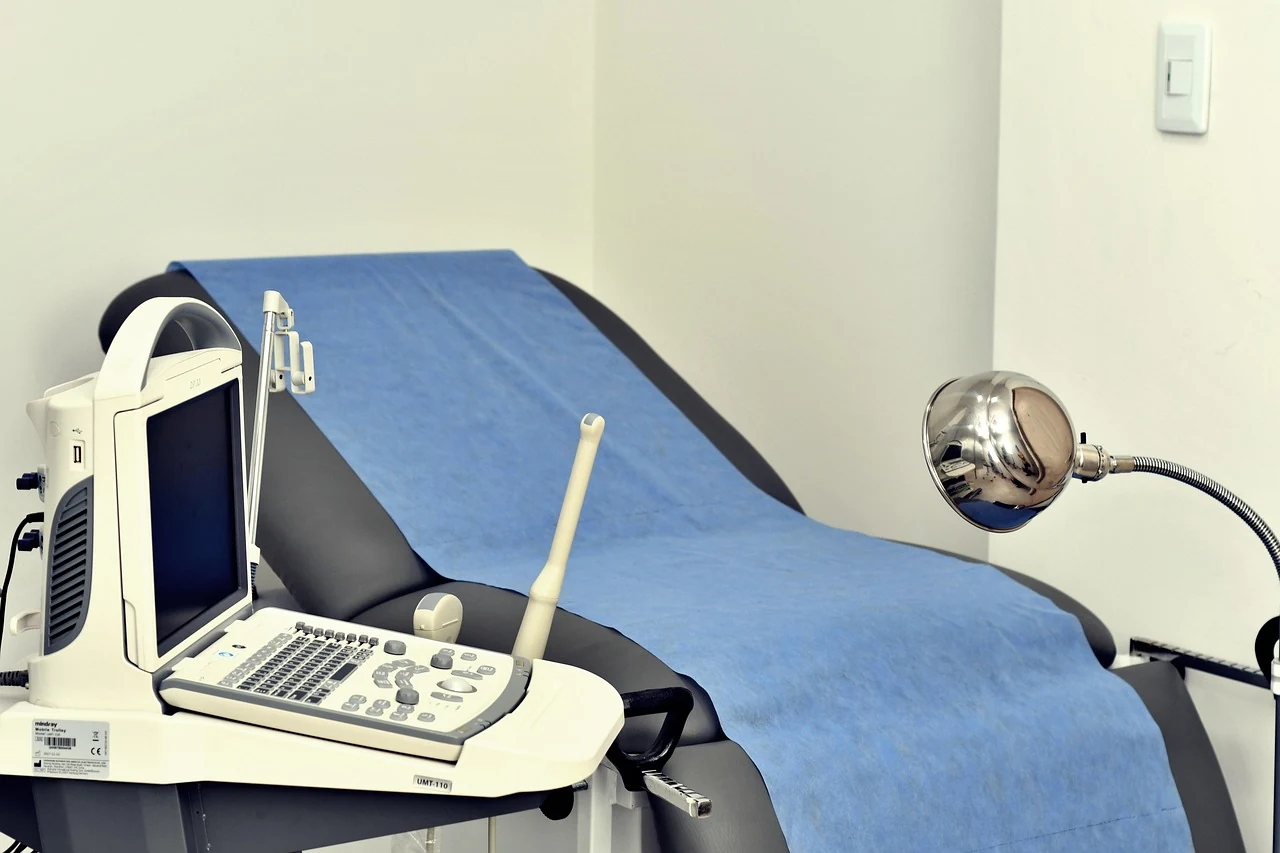

Cervical screening is a routine examination that helps find precancerous changes long before symptoms appear. For a couple, this concerns both partners: one person takes the test, and the other understands why it is needed. Below: the Pap test, HPV testing, the screening schedule, and how to read the results.
Why cervical screening is needed
Screening, formerly called a smear, checks the condition of the cervix and helps prevent cervical cancer. This cancer can largely be prevented through HPV vaccination and regular screening, and at an early stage it is curable. Precancerous changes rarely cause symptoms, so screening makes sense even when nothing is bothering you, and even after vaccination. Screening is offered to everyone who has a cervix. Regular check-ups are part of prevention.
HPV and cervical cancer: how they are linked
Almost all cases of cervical cancer are caused by infection with oncogenic types of human papillomavirus. HPV is a common sexually transmitted infection that can affect the skin, genital area, anal area, and throat. Almost all sexually active people encounter the virus at some point in their lives, usually without symptoms, and in most cases the immune system clears it on its own. What is dangerous is persistent infection: it leads to cell changes that, without treatment, account for about 95% of cervical cancer cases. It usually takes 15–20 years from the appearance of abnormal cells to cancer, and 5–10 years with weakened immunity. In women living with HIV, the risk of cervical cancer is six times higher.
Factors that influence the risk of progression include:
- the HPV type and its oncogenicity;
- the state of the immune system;
- other sexually transmitted infections;
- the number of births and young age at first pregnancy;
- hormonal contraceptives and smoking.
HPV test and what happens after a positive screening
For HPV testing, a person can collect the sample themselves, and this method has shown reliability comparable to a sample taken by a healthcare professional. If screening is positive, the doctor examines the cervix after applying acetic acid, with or without magnification (colposcopy), to find changes and determine the next steps. Treatment of precancerous changes may include thermal ablation, cryotherapy, loop electrosurgical excision, or conization.
How often to get screened by age
The schedule depends on the national program, so follow the recommendations of your healthcare system. WHO advises a high-performance test every 5–10 years starting at age 30, and for women living with HIV every 3–5 years starting at age 25. The global strategy calls for at least two screenings in a lifetime: by age 35 and by age 45. If you do not remember when you last had the test, that is a reason to discuss the schedule with your family doctor.
What the results mean
A positive screening does not mean cancer: it means the doctor needs to examine the cervix more closely and look for precancerous changes. Such changes are treated with a simple and effective procedure to keep them from developing into cancer; sometimes this happens at the same visit, sometimes after an additional test. The plan of action after a result is discussed with your family doctor.
HPV vaccination and other prevention
As of 2025, eight HPV vaccines are licensed, five of which are WHO prequalified. All of them protect against high-risk types 16 and 18, which cause about 76% of cervical cancer cases. Vaccination is a priority for girls aged 9–14, before sexual activity begins: depending on the national schedule, this is one or two doses, and for people with weakened immunity two to three are recommended. Some countries also vaccinate boys to reduce the spread of the virus and protect men from HPV-related cancers. In addition to vaccination, risk is reduced by not smoking, using condoms, and voluntary circumcision in men.
When to see a doctor immediately: signs of stroke or heart attack, severe injury, or another life-threatening condition are a reason to call 103 or 112 without waiting for a scheduled appointment.
This material is for reference and does not replace a doctor's consultation: make decisions about examinations together with your doctor.
Sources
Update history
This content is for reference and does not replace a doctor's consultation. Medical disclaimer