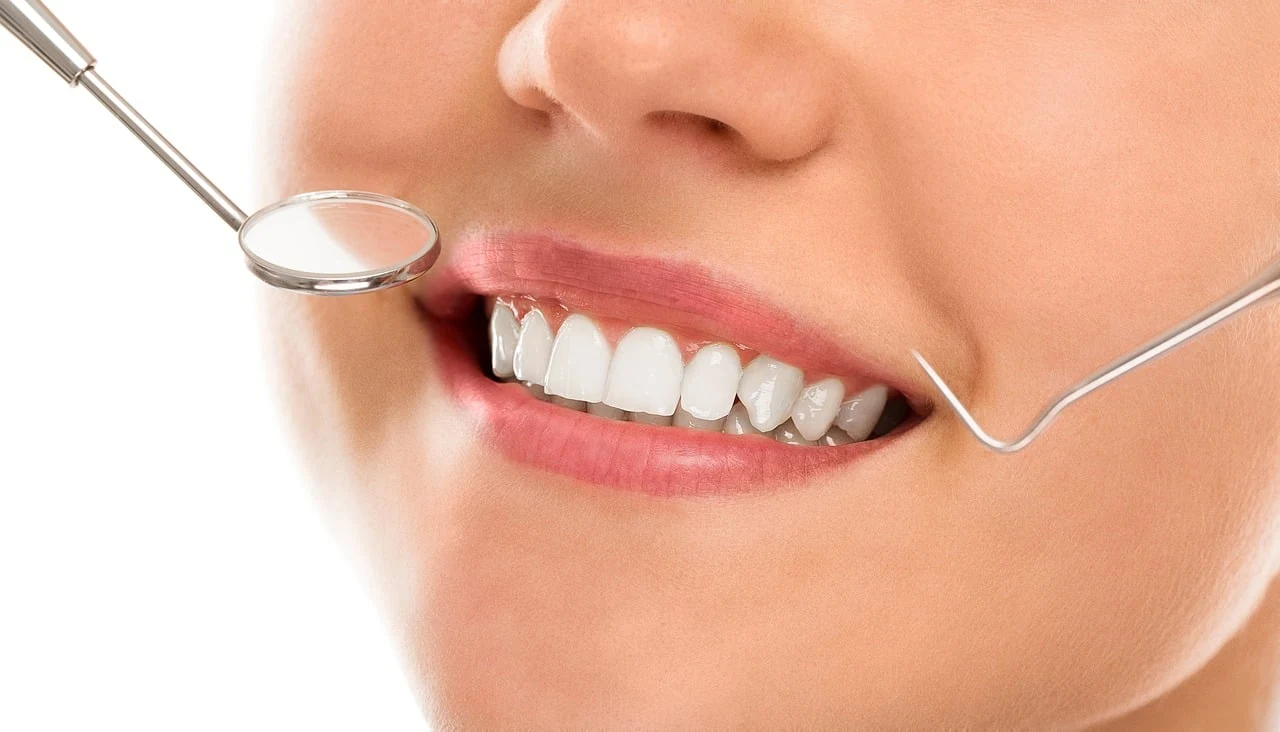

Whitening is a cosmetic procedure that changes the shade of enamel with a gel, sometimes with a laser. The color of teeth depends not only on hygiene but also on tissue structure, age, and habits. Below is a comparison of formats and the limits of their capabilities.
Why teeth darken
Enamel is semi-transparent, and through it shows the yellowish-brown dentin, which provides the main share of the tone. Color perception depends on the thickness and mineralization of enamel, lighting, and background. Enamel is the hardest tissue in the body, almost entirely mineral; it contains no cells, so after damage it does not regenerate.
External stains settle on the surface: resins and nicotine, pigments from coffee, tea, red wine, and cola, dyes from curry and tomato sauces, plaque, and tartar. Tartar darkens over time from yellow to gray, black, or brown. External stains that remain for a long time can become internal. Metal compounds also contribute — iron, copper, iodine, nickel, cadmium — as does prolonged use of antiseptic mouthwashes.
Internal changes affect the tissue itself: caries, fluorosis due to excess fluoride during tooth formation, trauma, pulp death. With age, dentin thickens and enamel thins, so the shade naturally becomes darker and more yellow.
How whitening works
The active component of most products is hydrogen peroxide or carbamide peroxide, which releases hydrogen peroxide on contact with water. In tooth tissue it acts as an oxidizer: it breaks down to form unstable free radicals that attach to organic pigment molecules and break them into smaller, less colored fragments. These reflect less light — that is the lightening effect. An alternative to peroxides is peroxyacids.
The result is determined by the concentration of the substance and the exposure time. Before the procedure, the specialist determines the type, intensity, and location of the staining: this determines whether the desired shade is achievable.
In-office and at-home kit: two formats
The in-office option is a gel plus laser irradiation. It is faster and more effective than the gel alone; the gums are covered with a soft shield or paste, and the eyes with dark glasses.
The at-home option is trays made to the shape of the teeth and gel for them. A separate appointment is needed to check the fit and explain how often to wear them and how to protect the gums.
- Speed: laser — one session of 1–2 hours, trays — a course of 2–6 weeks.
- Control: an examination of teeth and gums is needed before any format.
- Effect: only the color of natural teeth changes; crowns and implants remain the same.
- Durability: the effect is not permanent; if the dentist's advice is followed, it lasts about 3 years.
What does not work
Pharmacy or online kits and beauty salon procedures give a weaker result and can harm teeth and gums. The substances used for whitening are very strong, so they should be used only by a dental professional who knows how to do it safely.
Media images of cosmetically enhanced teeth are widespread, while in the general population the most common shades on the VITA scale are from A1 to A3.
Safety and side effects
Professional whitening uses strong chemicals, so reactions are possible even with the correct protocol: increased sensitivity to cold or sweet, soreness of the gums or throat, white spots on the gums. They are usually temporary; if a reaction is bothersome, it should be reported to the dentist.
First, the dentist checks whether the teeth and gums are healthy: whitening is not performed if the teeth and gums are unhealthy.
Whitening itself is not a reason to call an ambulance; 103/112 — for a life-threatening condition such as a stroke, heart attack, or severe injury.
Who is not advised and what next
Whitening is not done for persons aged 17 and younger. It is not recommended for pregnant and breastfeeding women. The patient and dentist discuss the choice of format and the appropriateness of the procedure together, after an examination. The material is for reference and does not replace a dentist's consultation.
Sources
Update history
This content is for reference and does not replace a doctor's consultation. Medical disclaimer