
Systemic lupus erythematosus is a long-term disease in which the immune system attacks the body's own tissues: joints, skin, kidneys, and heart are affected. Symptoms can resemble those of other diseases. Below: the mechanism, typical signs, and how a doctor reaches a diagnosis.
What is lupus: immunity with a glitch in the 'self' list
Imagine the immune system as a city security service with a list of 'self' and 'foreign.' In lupus, the list is damaged, and patrols start detaining their own residents. Their medical name is autoantibodies, i.e., antibodies against the body's own molecules, including antinuclear antibodies against the cell nucleus; together with their targets, they form circulating immune complexes.
These complexes deposit on the basement membranes of tissues in various organs and trigger inflammation. The causes are not fully understood; the disease is not contagious. In short: lupus is not a 'weak immune system' but an immune system working against its own body.
Symptoms: why the picture is different each time
The main manifestations are joint and muscle pain, extreme fatigue that does not go away after rest, and a rash after sun exposure, often over the nose and cheeks. This is the 'butterfly' rash, erythema on the cheeks and bridge of the nose, which occurs in about half of cases. In acute course, there may be fever and polyarthritis without joint deformity, as well as involvement of serous membranes—pleuritis and pericarditis.
There are also manifestations rarely associated with a single diagnosis:
- headache, mouth ulcers, elevated temperature;
- hair loss, weight loss, enlarged lymph nodes in the neck, armpits, or groin;
- depression and anxiety, chest or abdominal pain;
- color change in fingers in the cold, from anxiety or stress (Raynaud's phenomenon).
The course is wavy: flares for several weeks, sometimes longer, then remission. Why this happens is unknown; in some people, manifestations are constant. Severity varies—from joints and skin to inflammation of the lungs, heart, kidneys, and in the most complex cases, to a life-threatening condition.
Who gets sick and what can trigger the disease
It affects mostly young women; women are affected more than men, and more often women of African, Caribbean, Asian, or Chinese origin. Possible causes and triggers include viral infection, certain medications, sunlight, puberty, childbirth, menopause; also mentioned are hypothermia and physical or nervous strain.
Diagnosis: antibody tests and observation
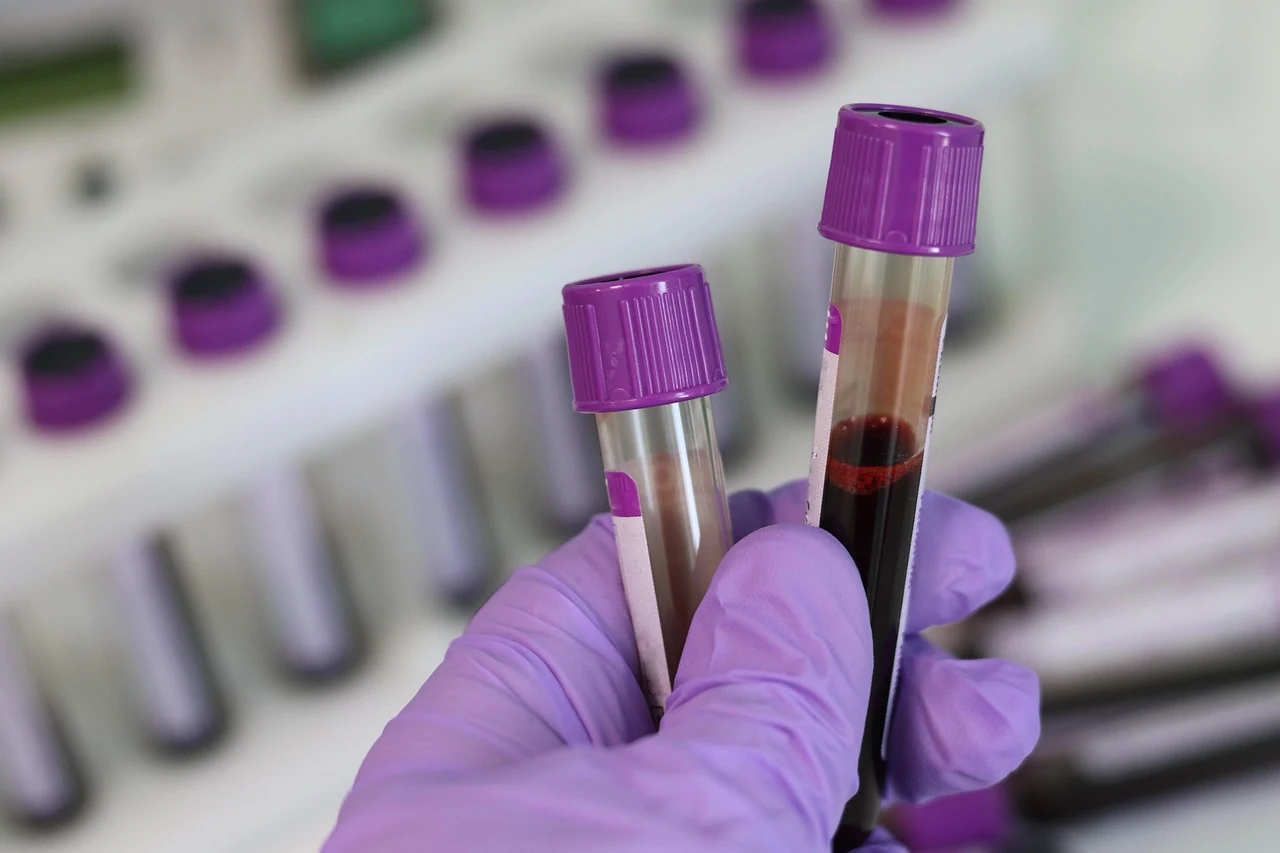
Recognizing lupus is not easy: symptoms resemble other diseases. A family doctor usually orders blood tests and may reach a conclusion if tests show a high level of a certain type of antibodies and the clinical picture is typical. Blood may show leukopenia, elevated ESR (erythrocyte sedimentation rate), and a tendency to anemia. Detection of so-called lupus cells—nuclei of destroyed leukocytes phagocytosed by other leukocytes—has diagnostic value. Kidney changes with protein in the urine and elevated blood pressure are often found.
Next, the doctor assesses whether organs are involved and, if needed, refers for X-ray and scanning of the heart, kidneys, and other organs. After confirmation—regular checks: blood for anemia, urine for kidney problems.
Observation and when to see a doctor
Routinely see a family doctor if symptoms recur often: the disease is better controlled when detected and treatment started early.
Pregnancy is planned together with a doctor: lupus can complicate its course. The name 'lupus' is associated with the appearance of affected skin areas that resemble wolf bites. In chronic course, the disease can develop gradually, without fever, sometimes with isolated involvement of one organ (joints, skin, kidneys).
Lupus itself is not a reason to call an ambulance. Call 103 or 112 if the condition is life-threatening, including signs of stroke or heart attack.
This material is for reference: it explains the mechanism but does not replace a doctor's consultation.
Sources
Update history
This content is for reference and does not replace a doctor's consultation. Medical disclaimer