
Glaucoma is an eye disease in which the optic nerve is damaged — the main nerve that connects the eye to the brain. As a result, vision is gradually lost, and the person themselves notices nothing for a long time. That is why glaucoma is called the silent thief of sight: it takes vision unnoticed, over years.
What glaucoma is and what intraocular pressure is
Intraocular pressure is the pressure of the fluid that fills the eye from within and presses on its walls. This fluid is produced in the eye constantly and then drains through natural outflow pathways. If more fluid is produced than can drain, or if the outflow pathways are narrowed or closed, the pressure inside the eye rises. High pressure damages the optic nerve, and this damage is what is called glaucoma. Sometimes the pressure stays within usual values, yet the optic nerve still suffers; why this happens is not always known.
There are several types of the disease. Primary glaucoma is the most common; it develops slowly, over many years. There are two main forms — open-angle and closed-angle. Secondary glaucoma occurs as a result of another disease or an eye injury. Childhood, or congenital, glaucoma is a rare variety that affects young children.
Why glaucoma is called the silent thief
The disease develops slowly and in the early stages usually causes no sensations. The most common, open-angle, form runs without symptoms for a long time: the person sees well, the eye does not hurt, and there seems to be no reason to see a doctor. Meanwhile, the field of vision narrows — what a person sees to the side without turning their head. Later, central vision may also be affected. Most often glaucoma is detected by chance, during a routine eye check.
Who is at risk
Glaucoma can occur in anyone, but there are circumstances under which the risk is noticeably higher:
- age over 50;
- glaucoma in a brother, sister, or one of the parents;
- African, Caribbean, or Asian origin;
- nearsightedness or farsightedness, that is, poor vision at a distance or up close;
- diabetes — a disease in which blood sugar levels rise.
How glaucoma is detected: regular eye checks
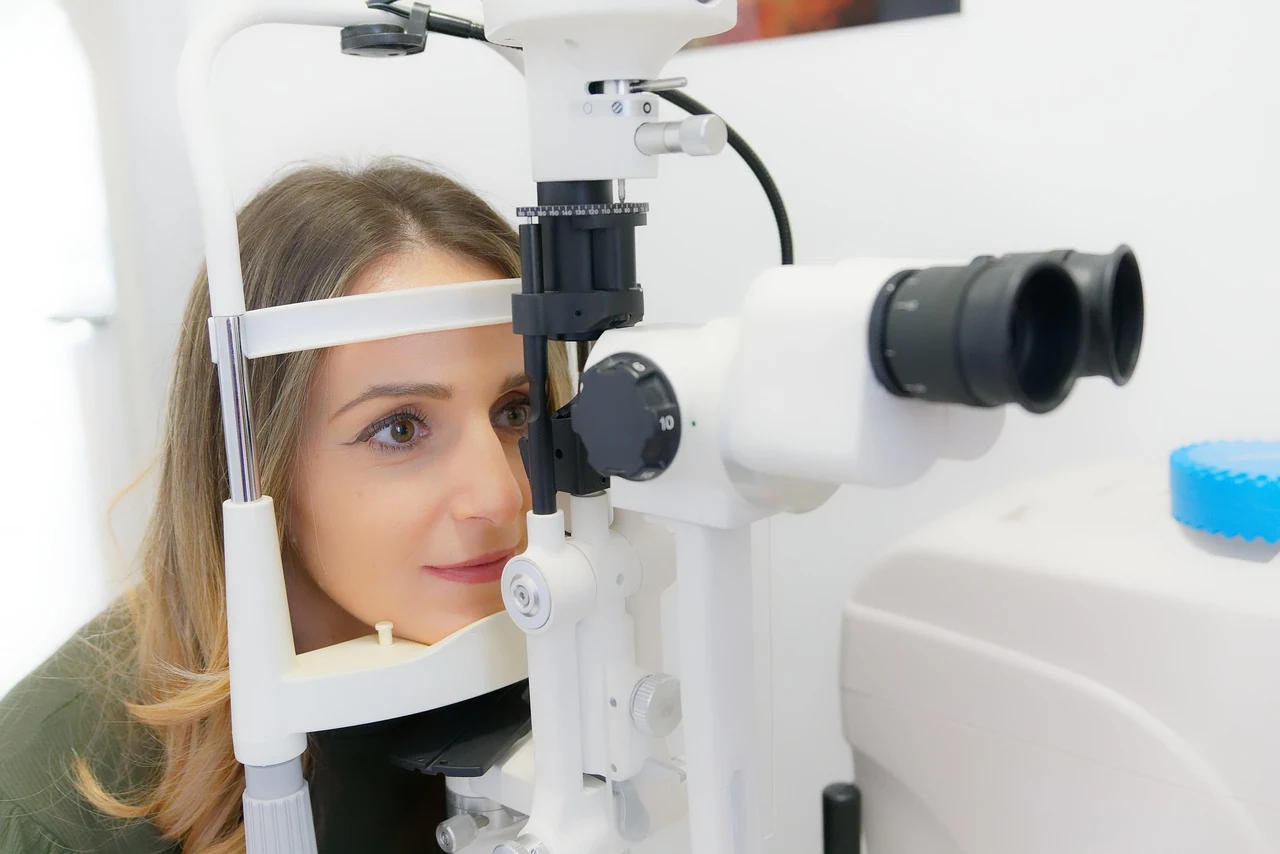
Since there are no complaints, a reliable way to detect the disease in time is to have your eyes checked regularly. Adults are advised to have a check at least every two years, and those who have a relative with glaucoma — more often. Screening, that is, a check without complaints, makes it possible to see the disease before symptoms appear. If a suspicion is confirmed, the person is referred to an ophthalmologist — a doctor who deals with eye diseases. They carry out more detailed examinations, in particular assessing the condition of the optic nerve during a fundus examination. If you are concerned about your vision, consult an ophthalmologist or a family doctor.
Acute attack: an emergency
Sometimes glaucoma begins suddenly. This happens with the closed-angle form, when the outflow of fluid is abruptly blocked. Then severe eye pain, redness of the eye, pain around the eyes, blurred vision, rainbow-colored halos around bright light, nausea, vomiting, and headache appear. In the hospital at such a moment they see very high intraocular pressure and a dilated pupil that does not constrict in response to light. Such an attack is dangerous because vision can be lost forever.
When to see a doctor immediately: if these signs appear suddenly — sharp eye pain, redness, pain around the eye, sudden worsening of vision, rainbow-colored halos around light, nausea or vomiting, headache — call 103 or 112. This is an emergency, and you must not delay.
What next: living with glaucoma under a doctor's supervision
It is currently impossible to cure glaucoma completely, but there is treatment that slows the damage to the nerve and helps preserve vision. The doctor chooses the method of treatment together with the person, taking into account the form of the disease and how much the vision has been affected; this may involve eye drops, laser treatment, or surgery. After starting treatment, regular check-ups are needed so that the doctor can see whether it is doing its job. You must not skip check-ups even after successful surgery.
If glaucoma is detected early and treated, vision may change very little. All adults, and especially those who have a relative with glaucoma, need an eye check at least every two years. The main thing worth repeating: glaucoma does not hurt and does not warn, so instead of symptoms, an eye check does the work. This material is for reference and does not replace a doctor's consultation.
Sources
Update history
This content is for reference and does not replace a doctor's consultation. Medical disclaimer