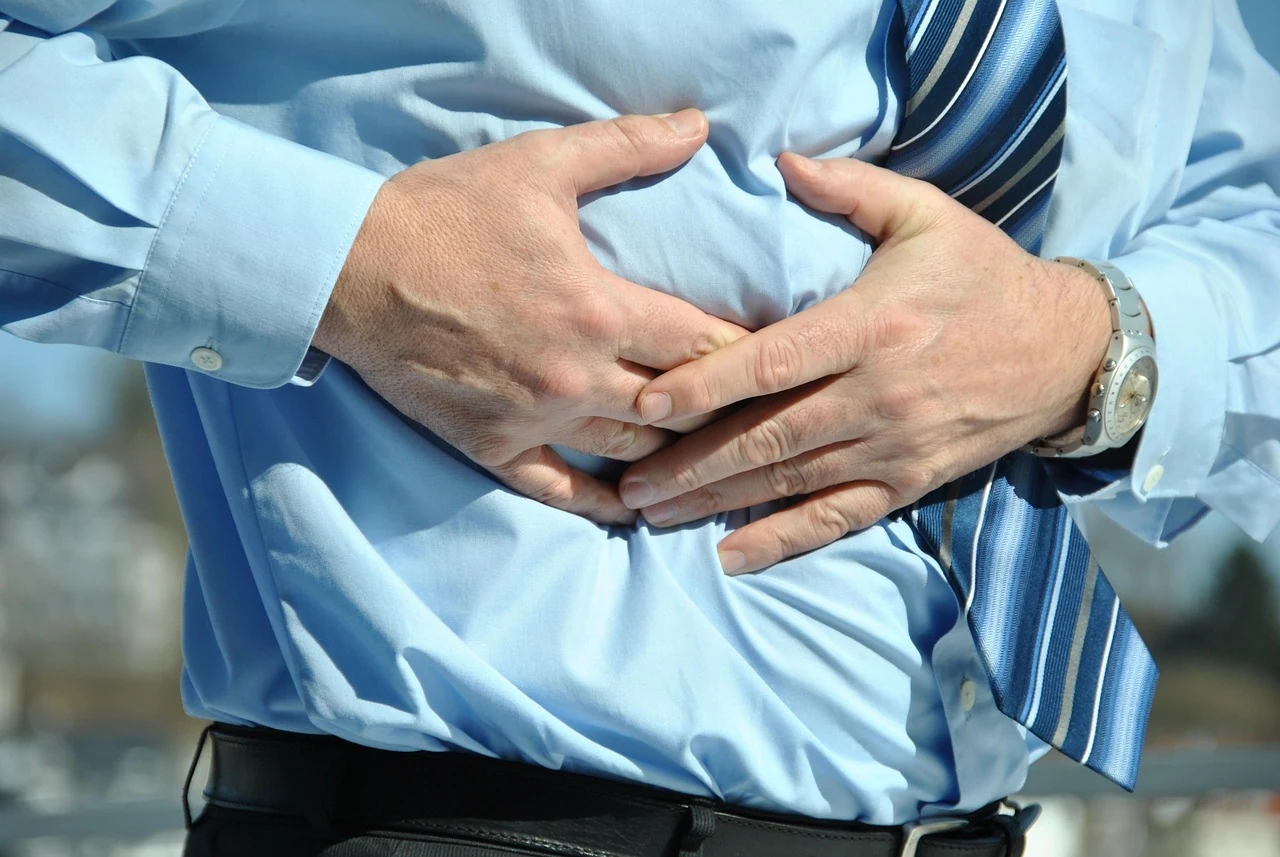

Heartburn is familiar to many: a burning sensation in the middle of the chest, sometimes with a sour taste in the mouth. It is not a sign of a 'weak stomach' and not a reason to buy another 'detox'. Let's calmly understand what is happening inside and when ordinary heartburn becomes a disease.
What it is not and how does the sphincter work?
Heartburn is not an 'excess of acid' that must be neutralized at all costs. Heartburn is a burning in the chest caused by stomach contents moving upward toward the throat—that is, acid reflux. The problem is that stomach contents get to where they shouldn't be.
Between the esophagus and the stomach there is a locking mechanism—the lower esophageal sphincter. The main factor in the development of gastroesophageal reflux disease is a disturbance in the motility of the upper gastrointestinal tract, primarily relaxation of this sphincter. Short-term reflux can be a normal physiological phenomenon: it relieves the stomach of excess air, food, or liquid. It becomes a disease when reflux is frequent, prolonged, and accompanied by unpleasant sensations.
Reflux is considered physiological if there are no more than 50 episodes per day and each lasts up to 20 seconds.
What triggers heartburn?
The following factors cause or worsen heartburn. Among them are certain foods and drinks: coffee, tomatoes, alcohol, chocolate, fatty or spicy food. Also smoking, stress and anxiety, changes in the levels of certain hormones (including progesterone and estrogen), certain medications, hiatal hernia, stomach ulcer, and bacterial infection of the stomach. Pregnancy and obesity increase intra-abdominal pressure and promote reflux, as do bloating, wearing corsets and abdominal binders.
There are also less obvious triggers: rapid eating and overeating, carbonated drinks, intense physical exertion, work involving bending forward, psycho-emotional tension. Many people have heartburn from time to time, and often without an obvious cause.
How does heartburn manifest?
Symptoms are often stronger after eating, in a lying position, and when bending forward.
- Burning in the middle of the chest, which often worsens after eating
- Recurrent cough or hiccups, hoarseness
- Bad breath, bloating, and nausea
When is heartburn already GERD?
If reflux occurs regularly, doctors may call it gastroesophageal reflux disease (GERD). It is a chronic recurrent disease caused by motility disorders of the gastroesophageal zone, with spontaneous or regularly repeated reflux of gastric or duodenal contents into the esophagus. It is the most common disease of the esophagus, has a long course, and often has subtle symptoms—which is why people seek help late.
The prevalence of GERD worldwide, including the non-erosive form, is estimated at 20–50% of the adult population. In the USA and Western Europe, 20–40% of adults have symptoms of heartburn and erosive esophagitis, up to 30% experience heartburn daily, about 50%—monthly. In Ukraine, the prevalence of heartburn among adults according to some clinical studies is 30%.
Complications of GERD include esophagitis, peptic ulcer of the esophagus, esophageal stricture, bleeding from an esophageal ulcer, Barrett's esophagus (a precancerous condition), and adenocarcinoma of the esophagus. That is why prolonged heartburn without explanation is a reason not to experiment with diets from social media, but to figure out the cause.
GERD can also worsen the course of bronchial asthma.
What does the doctor check?
You should consult a family doctor if heartburn bothers you almost daily or if there are additional symptoms—a feeling of food getting stuck, frequent vomiting, unexplained weight loss. If necessary, the doctor refers you to a specialist for examination—gastroscopy (examination of the esophagus and stomach with a thin tube with a camera) and a test for the bacterium that can cause heartburn.
Call an ambulance immediately: 103 or 112, if there is vomiting of blood, severe chest pain, or difficulty breathing.
This material is for reference and does not replace a doctor's consultation.
Sources
Update history
This content is for reference and does not replace a doctor's consultation. Medical disclaimer