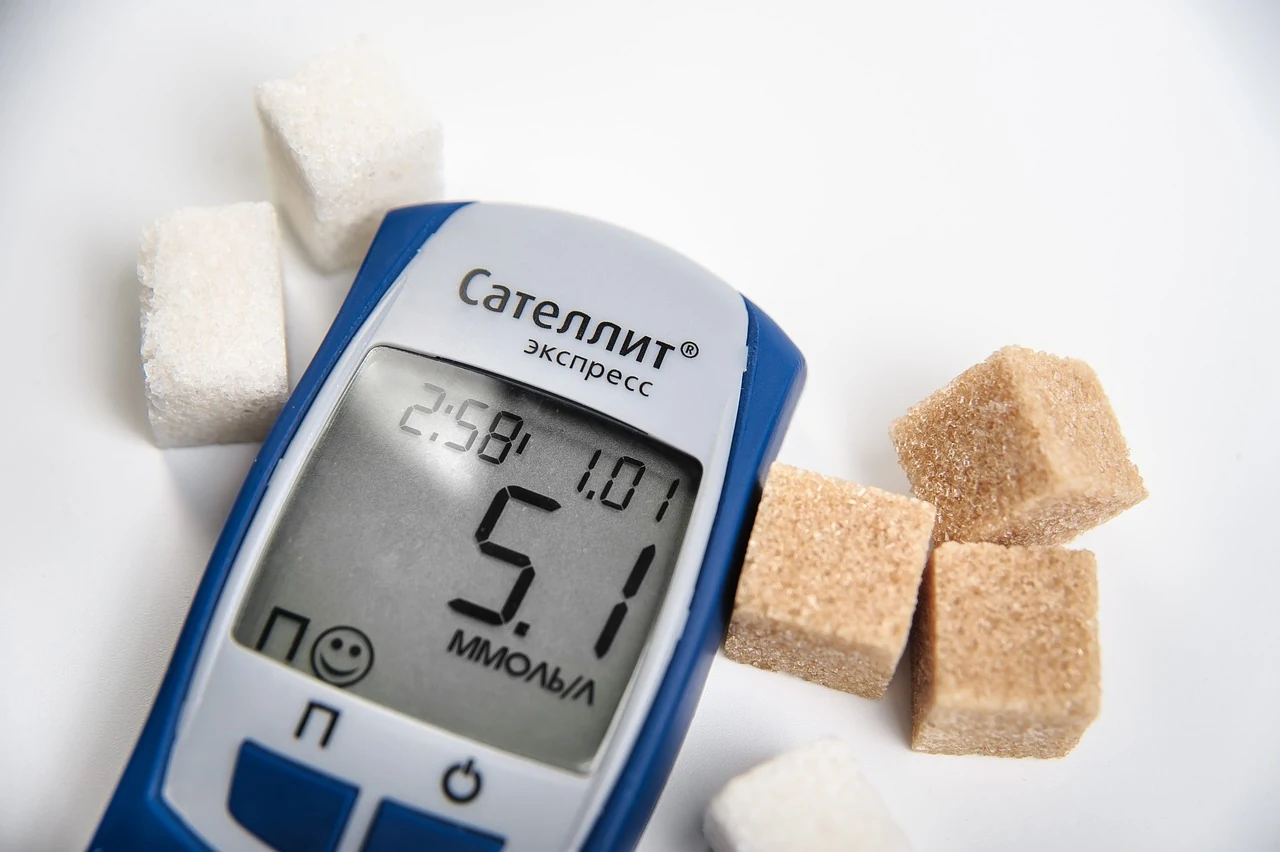

A glucose test result often raises questions: the number is there, but what it means is unclear. Below are some reference points.
What blood glucose is and why it is measured
Glucose, or blood sugar, is the main form of sugar in the blood and the primary source of energy. It is formed from food, and the pancreas releases insulin — the hormone that helps glucose enter cells.
It is measured to detect diabetes — a condition in which glucose levels are too high: the body does not produce enough insulin or cannot use it as it should. In practice, fasting glycemia after an 8-hour fast and a glucose tolerance test are used.
Key points: glucose is fuel for cells, insulin is the "key" to them, and the measurement conditions say more than the number itself.
Normal blood sugar level: table of values
Reference points depend on the measurement method.
| Parameter | Value |
| Glycemia, normal | 3.3–6.0 mmol/L |
| Fasting glucose in the laboratory, high level | above 7 mmol/L |
| HbA1c, high level | 48 mmol/mol and above (6.5%) |
| Home measurement no earlier than 90 minutes after eating, high level | above 11 mmol/L |
| Targets in diabetes: before meals and 2 hours after starting a meal | individual; reference points are discussed with a doctor |
Key points: the table is a reference, not a diagnosis; targets depend on age and type of diabetes.
Fasting and post-meal sugar levels
Fasting glycemia is measured after an 8-hour fast. After eating, the level naturally rises due to easily digestible carbohydrates and starches.
Measurement conditions (fasting, after eating, at home or in a laboratory) affect how the number is interpreted. A home measurement is considered high at a value above 7 mmol/L after waking or before eating, and above 11 mmol/L no earlier than 90 minutes after eating.
Key points: the same number means different things when fasting and after eating.
What elevated glucose means
High sugar is called hyperglycemia. It mainly affects people with diabetes and can be serious without treatment. Symptoms develop gradually: intense thirst, frequent urination, weakness, blurred vision, weight loss, headaches.
Common causes in people with diabetes: illness, stress, excess sweet or starchy food, less activity, missed medication doses, certain drugs (e.g., steroids), recent surgery. It can also occur with problems of the pancreas or adrenal glands.
A brief, slight increase is usually not a serious problem. Persistently high levels lead to damage to the nerves of the hands and feet, eye damage and vision problems, heart disease and stroke, as well as life-threatening conditions such as diabetic ketoacidosis; a doctor may check ketones.
Key points: increasing thirst, frequent urination and weakness are a reason to discuss blood sugar levels with a doctor.
What low glucose means
Hypoglycemia is a drop in glucose below the level that is healthy for you; the number may differ and should be clarified with a doctor. Symptoms appear quickly: trembling, sweating, anxiety, irritability or confusion, dizziness, hunger.
Low levels are common in type 1 diabetes and in type 2 diabetes in people taking certain medications. Less often it occurs without diabetes — with liver or kidney disease, hormone deficiency, or certain medications.
Key points: low sugar can manifest in different ways, so the number is assessed by a doctor.
When to see a doctor
A planned conversation with a doctor is appropriate if:
- you have tried to lower your sugar, but the level remains high or symptoms persist;
- you have symptoms of high sugar and diabetes has not been diagnosed;
- your glucose level is often high;
- you suspect low sugar and want to find out the cause.
The doctor assesses the result taking into account the measurement conditions, age and health status, and if necessary prescribes examinations.
High sugar by itself is not a reason to call an ambulance. Call 103 or 112 if, against this background, nausea, vomiting or abdominal pain, rapid breathing or heartbeat, drowsiness and difficulty staying awake, a fruity odor on the breath, confusion, or high ketone levels in blood or urine appear.
This material is for reference and does not replace a doctor's consultation.
Sources
Update history
Reader reviews
No reviews yet — tell us whether this article was helpful.
Leave a review
This content is for reference and does not replace a doctor's consultation. Medical disclaimer