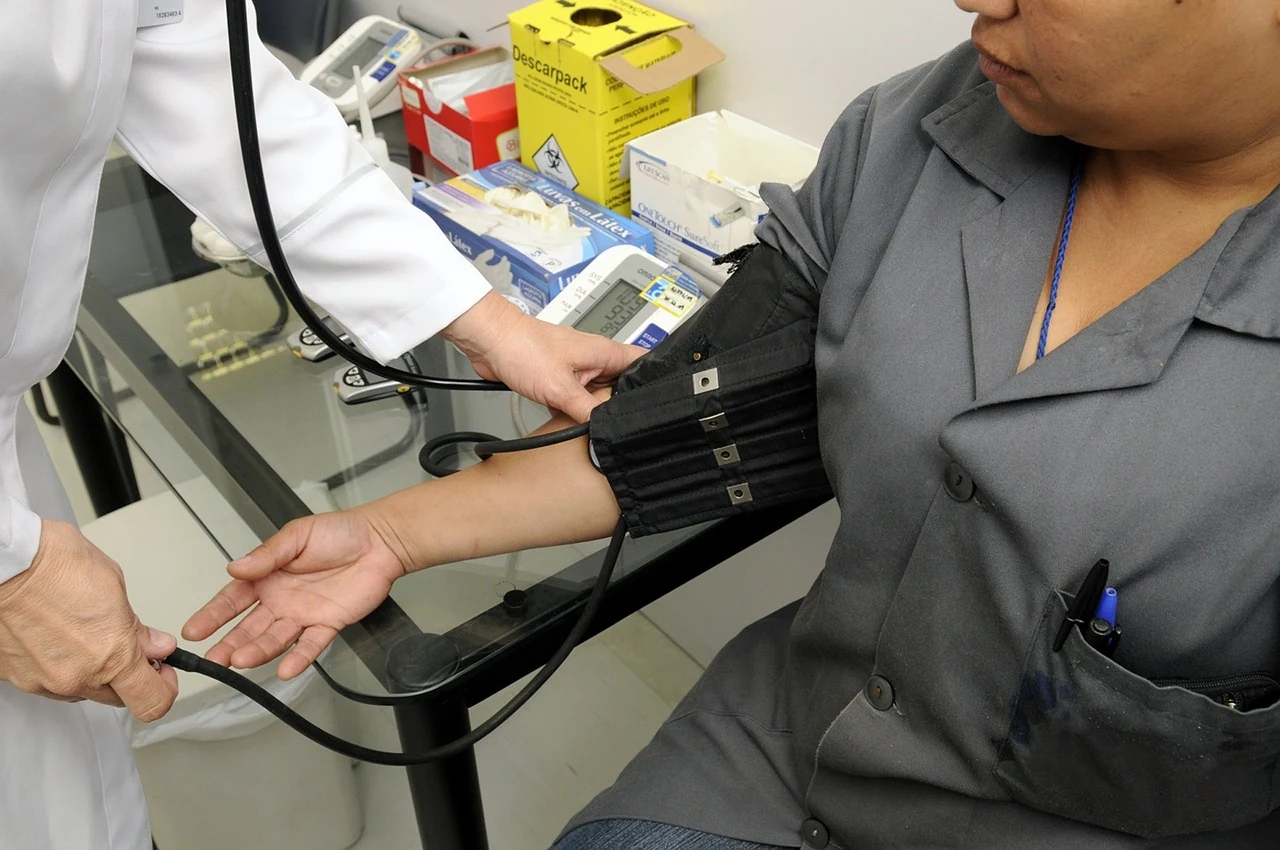

Low readings on a blood pressure monitor do not always mean illness. Below is an explanation of which readings doctors consider low, why blood pressure drops, and when low blood pressure stops being a harmless quirk.
What low blood pressure and hypotension are
Blood pressure is the force with which blood presses against the walls of the arteries. Systolic pressure is measured at the moment the heart contracts, diastolic pressure between beats. Hypotension, or arterial hypotension, is a drop in pressure of more than 20% from a person's usual values, or below 100 mmHg systolic or 60 mmHg mean arterial pressure.
A hypotensive person is someone whose low blood pressure persists constantly. Not every case of hypotension is a disease: the physiological form occurs in trained athletes and as an inherited trait. Primary hypotension is a condition in its own right; secondary hypotension arises against the background of other diseases; acute hypotension is a complication: collapse, shock.
Blood vessels must constrict and dilate quickly. In people with hypotension this reaction is slowed, so organs, including the brain and heart, receive less blood.
Which readings are considered low blood pressure
The reference point in handbooks is 90/60 mmHg and below; this is the answer to the question of what counts as low blood pressure. A second formulation: a drop of more than 20% from a person's usual readings.
The numbers alone are not the deciding factor. If the readings are consistently low and there are no complaints, such pressure is normal for that person. Low blood pressure becomes a problem with dizziness, fainting, or shock.
Why blood pressure can be low: main causes
Blood pressure changes throughout the day. Physiological causes include physical fitness, heredity, adaptation to high altitudes and hot climates, and pregnancy. Pathological causes include blood loss and dehydration, heart failure, arrhythmias, traumatic brain and spinal cord injuries, diabetes, endocrine diseases, anemia, gastric ulcer, stress, and starvation.
A common cause is medications: low blood pressure can be a side effect of drugs, including in cases of overdose of antihypertensive medications; this is assessed by a doctor. Orthostatic hypotension occurs on standing up suddenly, postprandial hypotension after eating.
Symptoms of low blood pressure
The picture is made up of more than one sign. The typical set:
- weakness, drowsiness, absent-mindedness, and impaired memory;
- dizziness, a dull tight or throbbing headache in the frontotemporal region;
- nausea, a tendency to motion sickness, sweating, cold hands and feet;
- shortness of breath and strong palpitations on exertion, pallor, irritability;
- darkening before the eyes and fainting — more often in stuffy rooms and on public transport.
Blood pressure is checked with recurring dizziness, nausea, blurred vision, weakness, confusion, and fainting. If this happens on standing up, postural hypotension is possible.
Is very low blood pressure dangerous and what are the risks
People with hypotension do not have as high a risk of heart attack and stroke as people with hypertension, which is why treatment standards for chronic hypotension are less well developed. The price is a low quality of life due to constant symptoms.
Critically low blood pressure is acute hypotension. It occurs with cardiac dysfunction, major blood loss, and dehydration, and quickly leads to oxygen deprivation of the brain and internal organs. Very low blood pressure accompanies myocardial infarction, pulmonary embolism, severe arrhythmias, allergic reactions, and blood loss; such conditions require emergency care.
When low blood pressure requires seeing a doctor
Reasons to see a doctor include recurring dizziness and fainting, weakness, nausea, blurred vision, and confusion. The doctor assesses the dynamics, the connection with body position and food, medications, and concomitant diseases; examinations include blood pressure measurement, including at home, and a tilt test.
A drop in blood pressure is not in itself a reason to call an ambulance. Call 103 or 112 in case of loss of consciousness, confusion, signs of shock, and also if blood pressure dropped suddenly against a background of signs of myocardial infarction, pulmonary embolism, severe arrhythmia, allergic reaction, or blood loss.
This material is for reference: it explains the numbers and reference points but does not replace consultation with a doctor, who sees the person and not just the blood pressure monitor readings.
Sources
Update history
Reader reviews
No reviews yet — tell us whether this article was helpful.
Leave a review
This content is for reference and does not replace a doctor's consultation. Medical disclaimer