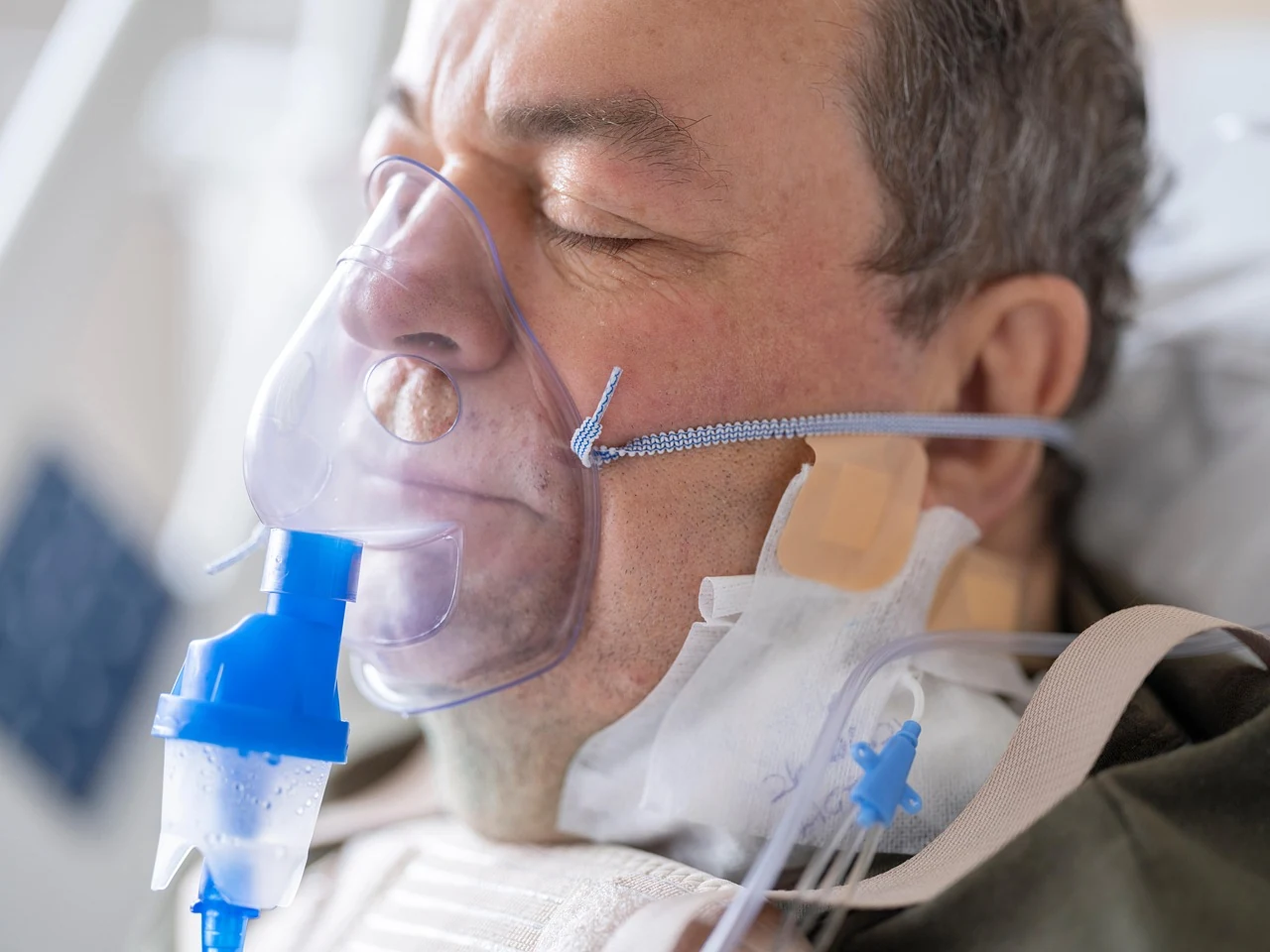

Anaphylaxis is a life-threatening allergic reaction that develops very quickly: the first symptoms usually appear within minutes after contact with the allergen. It is a serious systemic reaction that disrupts the functioning of many organ systems—airways, circulation, consciousness.
What Exactly Is Called Anaphylaxis
Anaphylaxis is one of the manifestations of allergy that occurs due to increased sensitivity to repeated exposure to foreign substances, mostly of protein nature. The mechanism involves the release of inflammatory mediators from mast cells and basophils—often via immunoglobulin E, sometimes without the involvement of the immunological component. The extreme degree is anaphylactic shock.
The term has a precise history: Charles Robert Richet introduced it in 1902 as "aphylaxis," later the spelling was softened to "anaphylaxis," and in 1913 he was awarded the Nobel Prize in Physiology or Medicine for this work. The phenomenon itself was described in ancient times.
Triggers: Food, Medications, Insect Bites
The most common causes are venom from insect bites and stings, foods, and medications. In children and adolescents, foods are more often to blame; in adults, medications and bites. Among foods in Western culture, the most common are peanuts, wheat, tree nuts, shellfish, fish, milk, and eggs; in the Middle East—sesame; in Asia—chickpeas. Most foods can cause anaphylaxis even on first consumption, and for some people, contact with the allergen is enough.
Among medications, beta-lactam antibiotics are most frequently implicated, followed by aspirin and nonsteroidal anti-inflammatory drugs. Less commonly, latex, anesthetics, physical exertion, and temperature are the cause. In 32–50% of cases, the cause cannot be identified—this form is called idiopathic.
With age, children may outgrow the allergy: after reaching 16 years, 80% of children with anaphylaxis to milk or eggs and 20% of those with anaphylaxis to peanuts can consume these foods without health consequences.
Signs Visible Within Minutes
Symptoms usually begin within a few minutes after contact with the allergen.
- Breathing: shortness of breath, wheezing, feeling of suffocation.
- Skin: raised, itchy rash, cold skin to the touch.
- Circulation: weakness, dizziness, pre-syncope.
- Consciousness: fatigue, confusion, bluish, gray, or pale tint of lips and tongue.
In people with dark skin, color changes are easier to notice on the palms and soles.
Call 103 or 112 immediately if a person suddenly has swelling of the lips, mouth, throat, or tongue; breathing has become very fast or a feeling of suffocation has appeared; the skin, tongue, or lips have turned blue, gray, or pale; sudden confusion or drowsiness has occurred; the person has fainted and is unresponsive.
Why Every Minute Counts
Help is needed in the hospital immediately. In the hospital, patients usually stay from 2 to 12 hours, sometimes longer.
How Often It Occurs
The incidence of anaphylaxis is 4–5 cases per 100,000 people per year, and the lifetime risk is 0.5–2%; from 0.05% to 2% of people worldwide have ever experienced such an episode. The incidence has increased: in the 1980s—20 cases per 100,000 people per year, in the 1990s—already 50, mainly due to food triggers.
Who Is at Increased Risk
Individuals with atopic diseases such as asthma, eczema, or allergic rhinitis have a high risk of anaphylaxis to latex, foods, and radiocontrast agents. The longer the time since the last contact with the allergen, the lower the risk. After an episode, a person may be referred to an allergist for tests and advice.
In half of fatal cases from insect venom, there were no previous systemic reactions. This material is for reference and does not replace a doctor's consultation.
Sources
Update history
This content is for reference and does not replace a doctor's consultation. Medical disclaimer