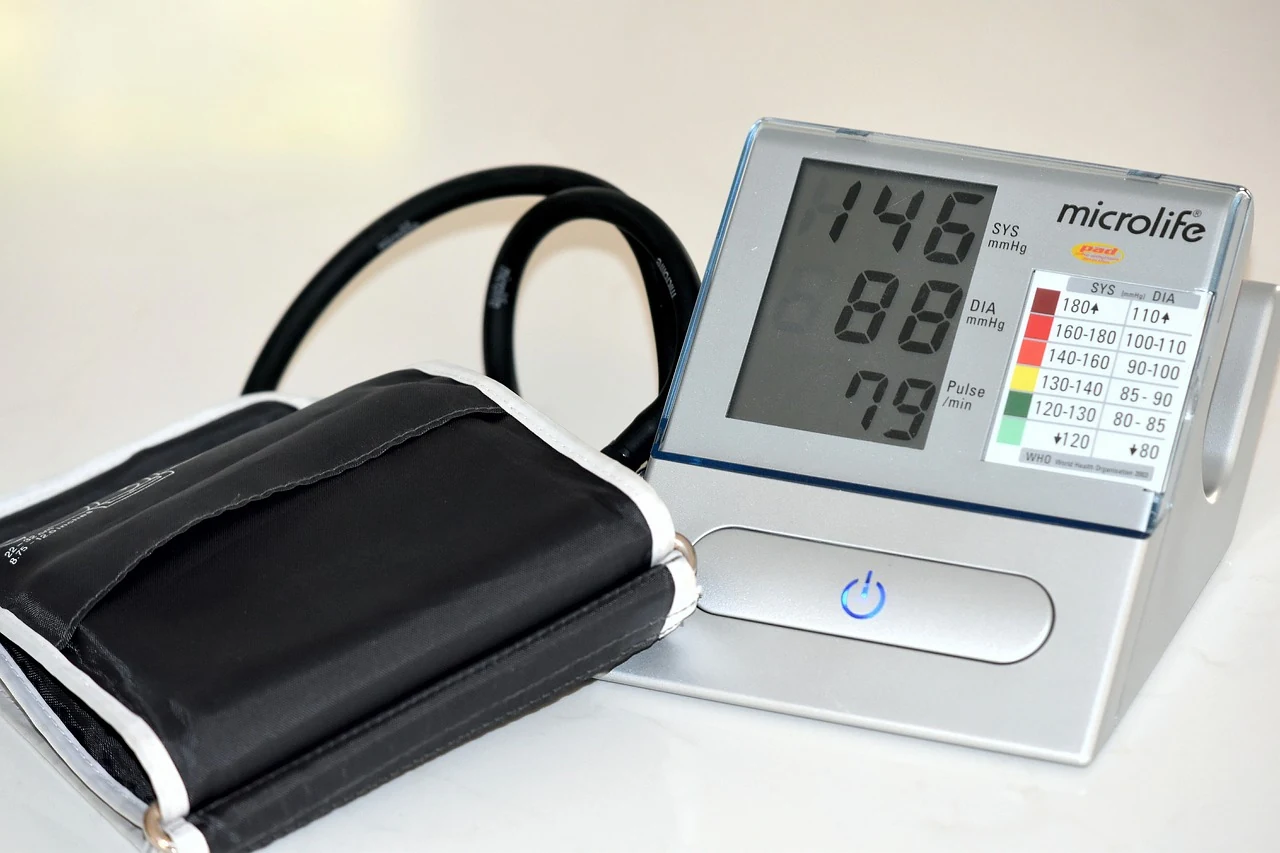

The blood pressure monitor shows 150 over 100, but the person feels normal and puts off a visit to the doctor. Meanwhile, 150/100 is high blood pressure by any of the accepted scales, and the issue should be addressed based on repeat measurements, not on how one feels.
What blood pressure 150 over 100 means and how it is classified
Blood pressure is the force with which blood presses against the walls of the arteries. When the heart contracts, it is at its maximum: this is the systolic, top number. Between beats the heart rests, and the pressure falls: this is the diastolic, bottom number. The reading 150/100 means 150 systolic and 100 diastolic.
Reading categories:
- normal — below 120 and below 80;
- elevated — 120–129 and below 80;
- stage 1 — 130–139 or 80–89;
- stage 2 — 140 and above or 90 and above;
- crisis — above 180 and above 120.
In a medical setting, high blood pressure is discussed from 140/90, and with home measurement from 135/85; 150 over 100 exceeds both thresholds. A diagnosis is not made from a single measurement: two or more measurements at different visits, home monitoring over several days, or a 24-hour monitor are needed. Blood pressure is measured on both arms and the higher value is used: a difference of 10–15 mmHg can be a sign of peripheral vascular disease.
Why high blood pressure may not be felt
High blood pressure usually has no symptoms: many people live with it without knowing. According to WHO estimates at the end of 2020, 1.13 billion people have hypertension, about 40% are unaware of their condition, and only 10% receive treatment. Occasionally there is headache, blurred vision, and chest pain, but the only way to know your numbers is to measure them.
"Blood pressure 150 over 100, I feel fine" is a common situation, not an exception: feeling well does not cancel the strain on the vessels, heart, brain, kidneys, and eyes.
Blood pressure 160 over 100, 170 over 110 and higher: degrees of elevation
On this scale, anything above 140 or 90 falls into stage 2, so 140 over 100, 160 over 100, 170 over 100, and 180 over 100 are one category; only the magnitude differs. The reading 170 over 110 means elevation of both numbers, and the bottom 110 goes far beyond the threshold of 90. Blood pressure 180 over 120 is at the boundary of the definition of crisis, while 200 over 100 remains stage 2 by the scale, although such numbers require medical evaluation without delay.
Why the bottom pressure rises
The bottom number reflects the pressure in the arteries at the moment the heart rests. Hypertension is defined by an elevation of systolic pressure from 140 and simultaneously or independently of diastolic from 90, so isolated high bottom pressure of 100 also fits the definition.
Underlying persistent elevation is remodeling of the vessels: the wall thickens, the lumen narrows, contractility increases, and resistance to blood flow remains high even between heartbeats. Added to this are activation of the renin-angiotensin system, excess aldosterone, and sodium and water retention. Among secondary causes are renal (3–4% of cases), endocrine (0.1–0.3%), and the use of certain medications and supplements. To find the cause, the doctor may order tests for aldosterone and renin.
Why prolonged elevation of blood pressure is dangerous
The heart works like a pump, and the vessels like pipes: with constantly high pressure the pump works under overload, and the pipes are constantly under strain, and over time both wear out.
The risk of coronary heart disease, heart attack, stroke, heart and kidney failure, and vascular dementia increases. Even a small reduction in blood pressure lowers these risks, so the numbers 150 over 100 should be discussed with a doctor, not put off until complaints appear.
When high blood pressure requires urgent help
A single measurement of 150 over 100 by itself does not require calling an ambulance. One should see a doctor if headaches or blurred vision recur, if transient chest pain or other concerning symptoms appear. Blood pressure screening is offered to people aged 40 and older if they have not measured it for more than five years. At the appointment, the doctor evaluates repeat measurements, a home diary, 24-hour monitoring, and risk factors, and if necessary orders examinations.
Blood pressure 150 over 100 by itself is not a reason to call an ambulance. Calling 103 or 112 is necessary if sudden pressing, squeezing, or burning chest pain appears that does not go away, the pain radiates to the arm, neck, jaw, abdomen, or back, and is accompanied by sweating, nausea, dizziness, or shortness of breath.
This material is for reference: it explains the numbers but does not replace consultation with a doctor, who will assess blood pressure together with other indicators.
Sources
Update history
Reader reviews
No reviews yet — tell us whether this article was helpful.
Leave a review
This content is for reference and does not replace a doctor's consultation. Medical disclaimer