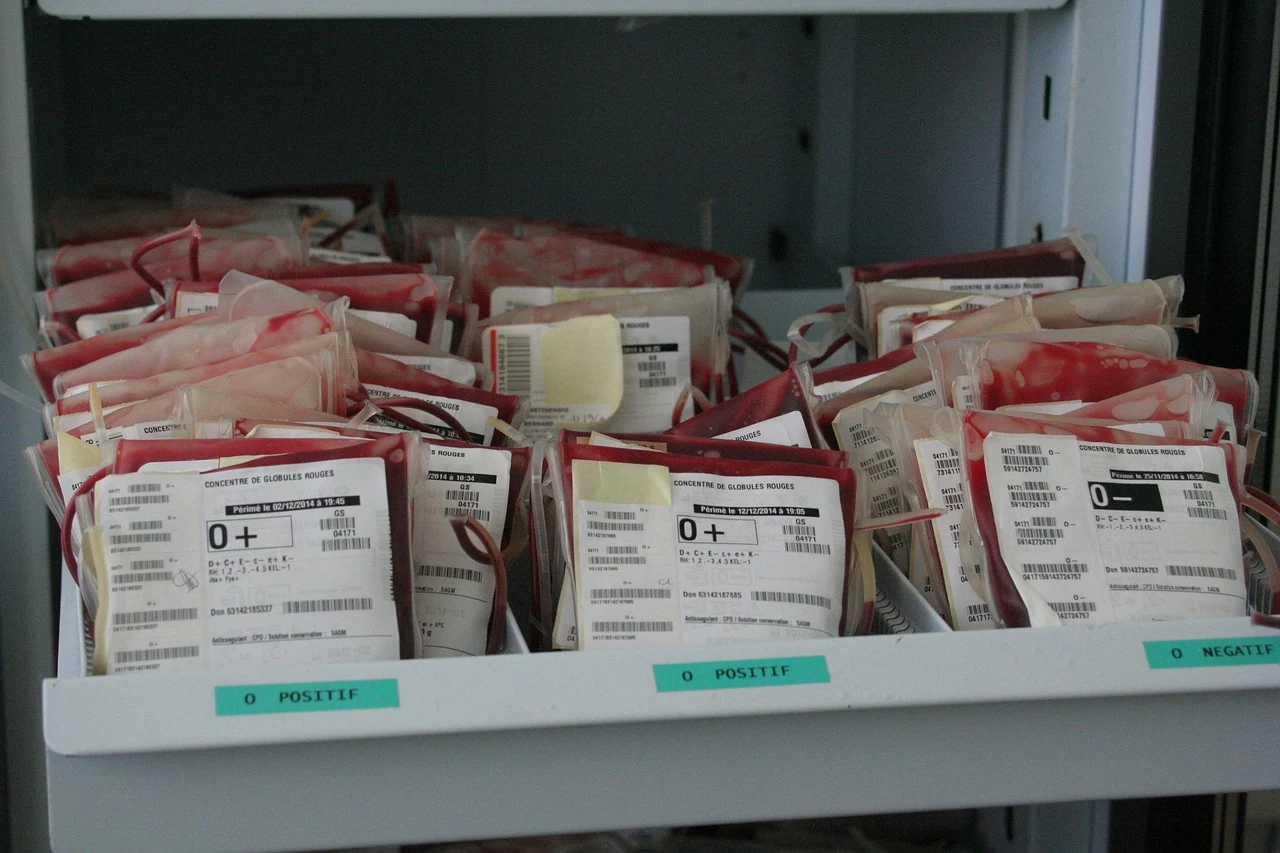

Anemia is not a diagnosis but a syndrome: a decrease in hemoglobin and red blood cells that leaves tissues receiving less oxygen. About a third of the world's population lives with some form of anemia, and the cause is far from always a lack of iron in the diet. In long-term inflammatory, endocrine, and gastrointestinal diseases the mechanism is different, and it determines which tests are needed.
When low hemoglobin is linked not to iron deficiency but to disease
Anemia of chronic disease (ACD) develops against the background of long-term conditions involving inflammation. The list includes autoimmune diseases — Crohn's disease, systemic lupus erythematosus, rheumatoid arthritis, ulcerative colitis; cancers, including lymphoma and Hodgkin's disease; long-term infections — bacterial endocarditis, osteomyelitis, HIV/AIDS, lung abscess, hepatitis B or C. ACD often runs mildly: a person may not notice symptoms, and changes are seen only in the laboratory. Weakness, headache, pallor, and shortness of breath do not always appear. A separate detail: in ACD, anemia may be the first sign of a serious disease, so the search for the cause is not a formality.
Anemia from blood loss: hemorrhoids and heavy periods
Heavy menstruation and pregnancy are very common causes of iron deficiency anemia. Bleeding in the stomach and intestines is the second common mechanism: it is caused by taking nonsteroidal anti-inflammatory drugs (ibuprofen, aspirin), stomach ulcers, inflammation of the intestine or esophagus, hemorrhoids, and less often stomach or intestinal cancer. Any other conditions with blood loss also lead to iron deficiency.
Anemia in intestinal inflammation and Crohn's disease
Intestinal inflammation figures both as a cause of blood loss and as a background of chronic inflammation. Crohn's disease is among the causes of anemia of chronic disease. A fecal immunochemical test (FIT) is used to look for blood in a stool sample; if the cause is unclear, the doctor refers the patient to a specialist for further checks.
Anemia in hepatitis, liver, kidney, and rheumatoid arthritis
Hepatitis B and C, rheumatoid arthritis, lupus, and Crohn's disease are on the list of causes of ACD. A separate mechanism is reduced production of erythropoietin, a kidney hormone: this anemia is normochromic. In people with heart failure, anemia is associated with an increased risk of death.
Which tests show the cause and when to see a doctor
The basic set for ACD: complete blood count, reticulocytes, ferritin, serum iron, C-reactive protein, ESR; in rare cases, bone marrow aspiration is done to rule out cancer. Serum ferritin is the key indicator for distinguishing between anemias. In iron deficiency anemia, blood is checked again after a few months.
- Weakness, fatigue, reduced concentration.
- Shortness of breath with light exertion, a feeling of palpitations.
- Pallor of the skin, visible mucous membranes, and nail beds.
- Headache, ringing in the ears, disturbed sleep and appetite.
Anemia by itself is not a reason to call an ambulance; 103 or 112 — if, against the background of a chronic disease, chest pain or tightness or signs of a stroke appear.
If you have a long-term disease and symptoms of anemia have appeared, see a doctor: they will decide which tests are needed. This text is for reference and does not replace a doctor's consultation.
Sources
Update history
Reader reviews
No reviews yet — tell us whether this article was helpful.
Leave a review
This content is for reference and does not replace a doctor's consultation. Medical disclaimer
