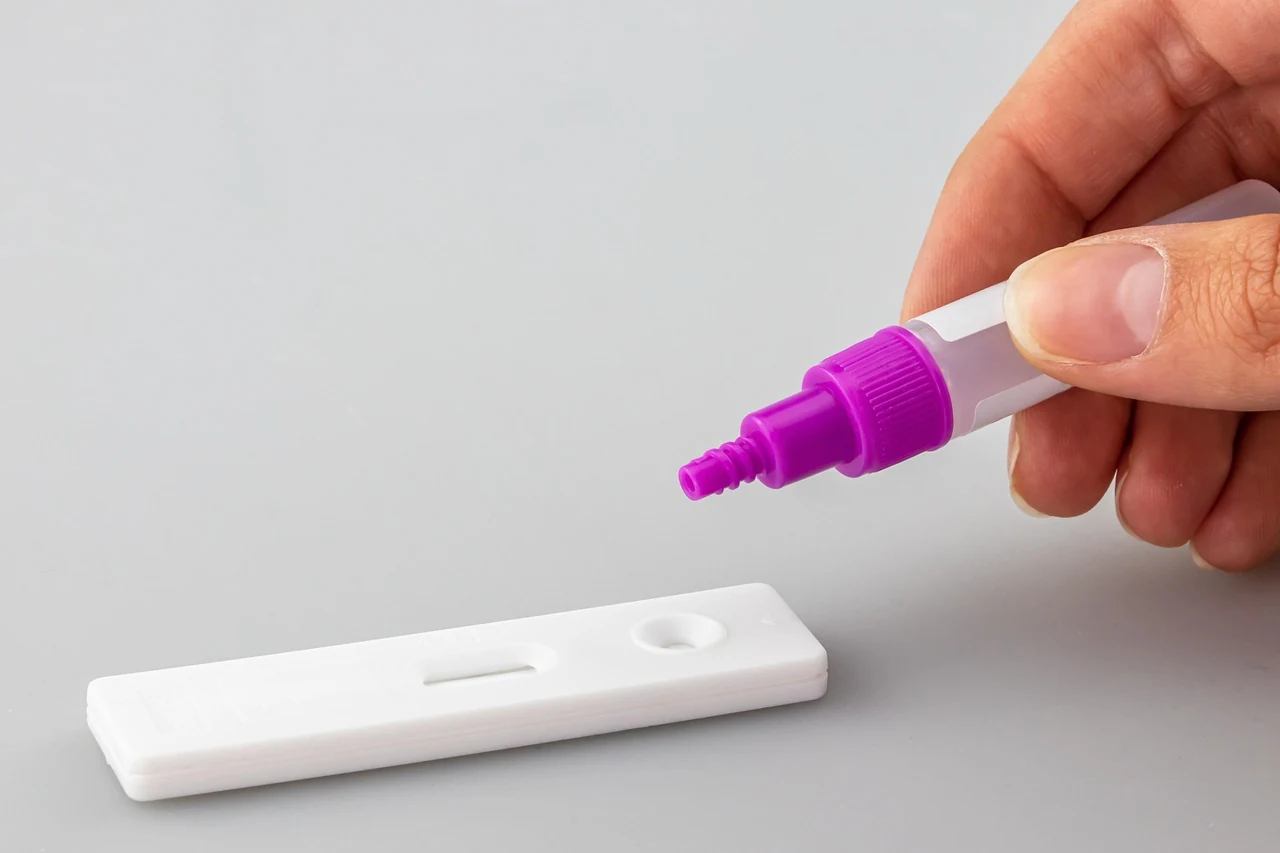

HIV is a virus that weakens the immune system and increases the risk of severe illnesses. The infection cannot yet be cured, but with treatment most people with HIV live long and full lives. HIV symptoms vary from person to person, and some people notice nothing for years — so the only way to know your status is a test.
What HIV is and how it differs from AIDS
HIV (human immunodeficiency virus) destroys a certain type of white blood cells that help fight infections. AIDS (acquired immunodeficiency syndrome) is the name for a group of serious illnesses caused by HIV; it is now more often called the late or advanced stage of HIV. AIDS does not develop in everyone living with HIV.
The first signs of HIV
About 2–6 weeks after infection, some people have a brief flu-like condition. Sore throat, high fever, swollen lymph nodes, muscle aches and fatigue, skin rash, chills, night sweats, and mouth ulcers are possible. These symptoms resolve within two to four weeks — this is the acute stage. Many common illnesses cause the same signs, so HIV cannot be recognized from them. After that, a person may feel nothing for years.
Signs of HIV in men and in women
There are no separate "male" or "female" early symptoms: the manifestations of the acute stage are the same. Differences concern routes of transmission and risks. The virus spreads through blood, semen, vaginal fluids, and mucus from inside the anus during sex without a condom, through sharing needles and syringes, and from mother to child during pregnancy, childbirth, or breastfeeding when the viral load is detectable. Kissing, hugging, sharing dishes, and toilet seats do not transmit HIV.
Stages of HIV infection and stage 4
Without treatment, HIV infection goes through several phases. After the acute stage comes the chronic stage, often without symptoms. Then the virus gradually weakens the immune system, and the late stage — AIDS — develops. A guide for doctors is the CD4 lymphocyte count: normal is 500–1200 cells per microliter, and when it falls below 200, cellular immunity stops protecting the body. The latent stage without therapy lasts on average six to seven years; the rate of progression depends on age, virus strain, concomitant infections, and nutrition.
How AIDS manifests
At the late stage, immunity is severely damaged, and the body cannot cope with infections called opportunistic: they occur more often and are more severe. Such diseases include tuberculosis, pneumonia, and cancer. It is these serious diseases, not the virus itself, that are described as manifestations of AIDS.
How the diagnosis is confirmed and when to see a doctor
The diagnosis is made only by testing: blood or saliva is examined; in a clinic the result is usually ready within a few days, and a home rapid test — within minutes. If recent contact with the virus is suspected, it is best to see a doctor immediately within 72 hours. If more than 72 hours have passed since possible infection, see a doctor or go to a medical facility for testing. Examinations include determining viral load and CD4 lymphocyte levels.
- HIV test at a clinic or a qualitative home kit
- viral load test — how much virus is in the blood
- CD4 lymphocyte count to assess immunity
- test material — saliva from the mouth or blood from a finger
Suspicion of HIV alone is not a reason to call an ambulance; 103/112 — if the condition is life-threatening (emergency signs from general ambulance guidance).
This material is for reference: HIV symptoms are nonspecific, and a diagnosis can only be made by testing — if you have any doubts, discuss testing with a doctor.
Sources
Update history
Reader reviews
No reviews yet — tell us whether this article was helpful.
Leave a review
This content is for reference and does not replace a doctor's consultation. Medical disclaimer