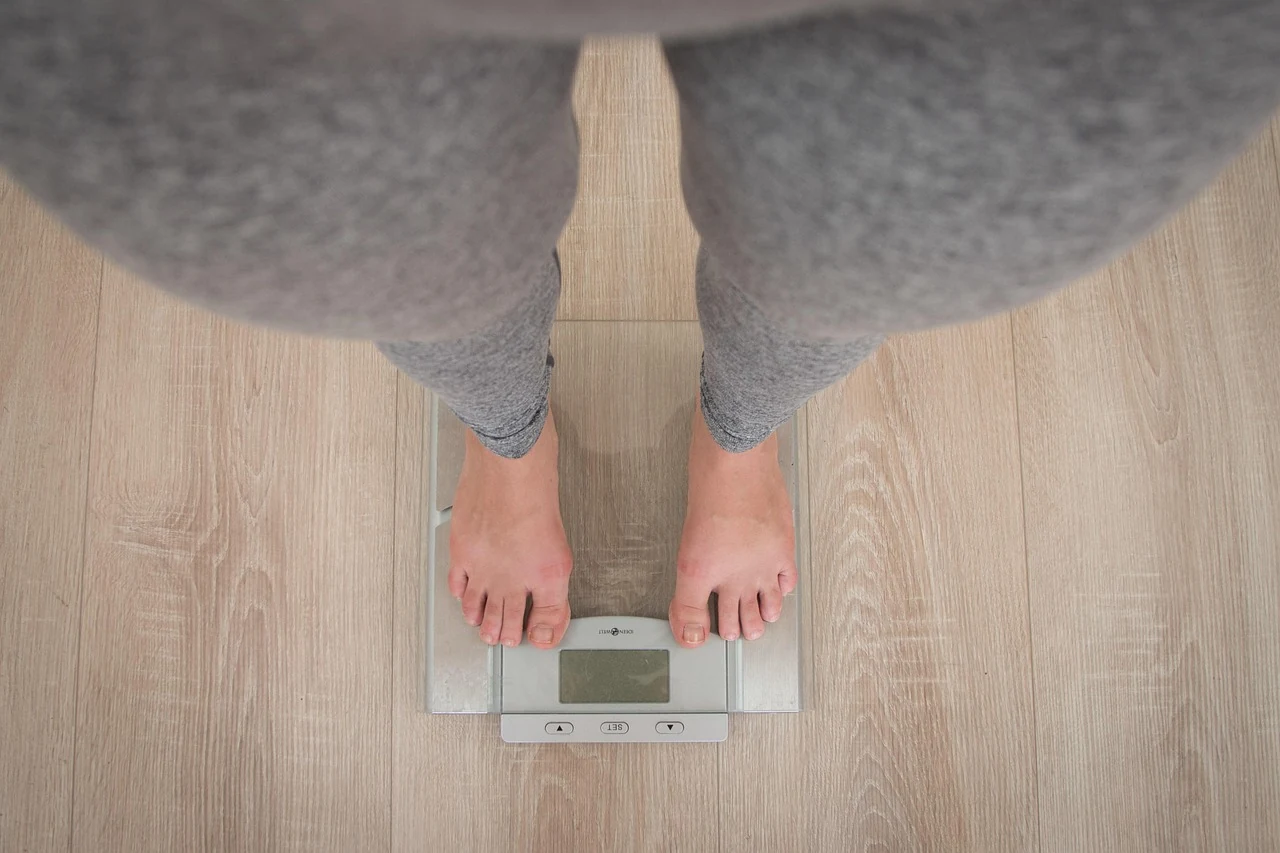

I myself long believed that my metabolism was “slow” and looked for ways to “speed it up.” When I started reading what science says about this, the picture turned out to be more boring—and more honest. I’ll explain without promises of miracles.
What basal metabolism is
Basal metabolism is the minimum level of energy metabolism needed just to sustain life. It is measured in a state of maximum physical, intellectual, and emotional rest: in the morning after sleep, lying down, fasting, without external stimuli, and in thermal comfort. About 70% of energy is spent by the body on maintaining vital functions, and only about 20% on physical activity, with another 10% on digesting food.
The distribution of expenditure among organs is also telling: the liver consumes 27%, the brain 19%, muscles 18%, kidneys 10%, and heart 7%. So “metabolism” is not an abstract furnace that can be stoked hotter, but the sum of the work of specific organs.
How much energy the body expends
On average, women expend about 2000 kcal per day, men about 2500 kcal. This is a guideline, not an individual norm. Body mass index (BMI) is also not an ideal tool: it does not distinguish muscle from fat, and with high muscle mass it may indicate overweight even without excess fat.
Why “boosting” doesn’t work
The idea of “boosting metabolism” sounds appealing but runs into basic arithmetic: to lose weight, eat and drink fewer calories than the body expends, and move more to burn those calories. No “accelerator” cancels this balance. A rate of 0.5–1 kg per week is considered safe; a specific plan is made together with a doctor.
Disorders of appetite and energy balance regulation
This does not mean biology is irrelevant. The WHO describes obesity as a chronic disease caused by a complex interplay of environmental, social, biological, and behavioral factors. According to the WHO, obesity is characterized by disruption of the neurobiological and metabolic pathways that regulate appetite, energy balance, and adipose tissue function, and genetic variations influence individual susceptibility. A doctor can also help with other conditions that affect weight, including mental health conditions.
When weight is a reason to see a doctor
According to the WHO definition, overweight in adults is a BMI of 25 or more, and obesity is a BMI of 30 or more. For people of South Asian, Chinese, other Asian, Middle Eastern, African, and African-Caribbean origin, the thresholds are lower: BMI 23–27.4 is overweight, and from 27.5 is obesity. Obesity increases the risk of type 2 diabetes, heart disease, stroke, high blood pressure, certain cancers, osteoarthritis, and fatty liver disease. See a doctor if:
- your BMI is in the overweight or obesity category and you want help with weight loss;
- your waist circumference is more than half your height;
- you have prediabetes, diabetes, high blood pressure, joint pain, high cholesterol, sleep apnea, or cardiovascular disease;
- you have a family history of obesity;
- you have or suspect you have an eating disorder.
What the doctor assesses: anthropometry (weight, height, BMI, waist circumference), comorbidities, and family history. Treatment is always an individual plan, not a universal scheme from the internet.
Call emergency services immediately (103 or 112) if there is severe chest pain, difficulty breathing, signs of stroke, or loss of consciousness.
Prevention
Even a small weight loss—5–10%—already improves health, and a plan is made together with a doctor. The WHO reminds us: obesity is a chronic disease affecting 1.1 billion people; in 2024, 2.6 billion adults (45%) were overweight. Obesity shortens life expectancy by 2–10 years and causes daily problems: shortness of breath, fatigue, joint and back pain, snoring, and depressed mood. According to the WHO, in 2024, 400 million children and adolescents aged 5–19 were overweight, of whom 170 million had obesity; the prevalence of overweight in this age group rose from 8% in 1990 to 20% in 2024.
My own conclusion after all this reading: “slow metabolism” is a convenient explanation, but not a diagnosis. This material is for reference and does not replace a doctor’s consultation.
Sources
Update history
This content is for reference and does not replace a doctor's consultation. Medical disclaimer